瞧!我们KB年级组的小朋友都在忙些什么啊?原来他们正在进行《世界如何运作》超学科主题下关于“天气”的总结性评估作业呢!这里分了六个小组进行测评,分别是:
What are our kids in the KB grade group up to? It turns out that they are doing a summative assessment of "weather" under the transdisciplinary theme of "How the World Works"! Here are the six groups of evaluation:
(1)实验组:通过实验感知不同的天气;
Experimental Group: Students perceive different kinds of weather through some experiments.
(2)表演组:能自选一种方式表演与天气相关的内容;
Performance Group: Students act out different kinds of weather through actions.
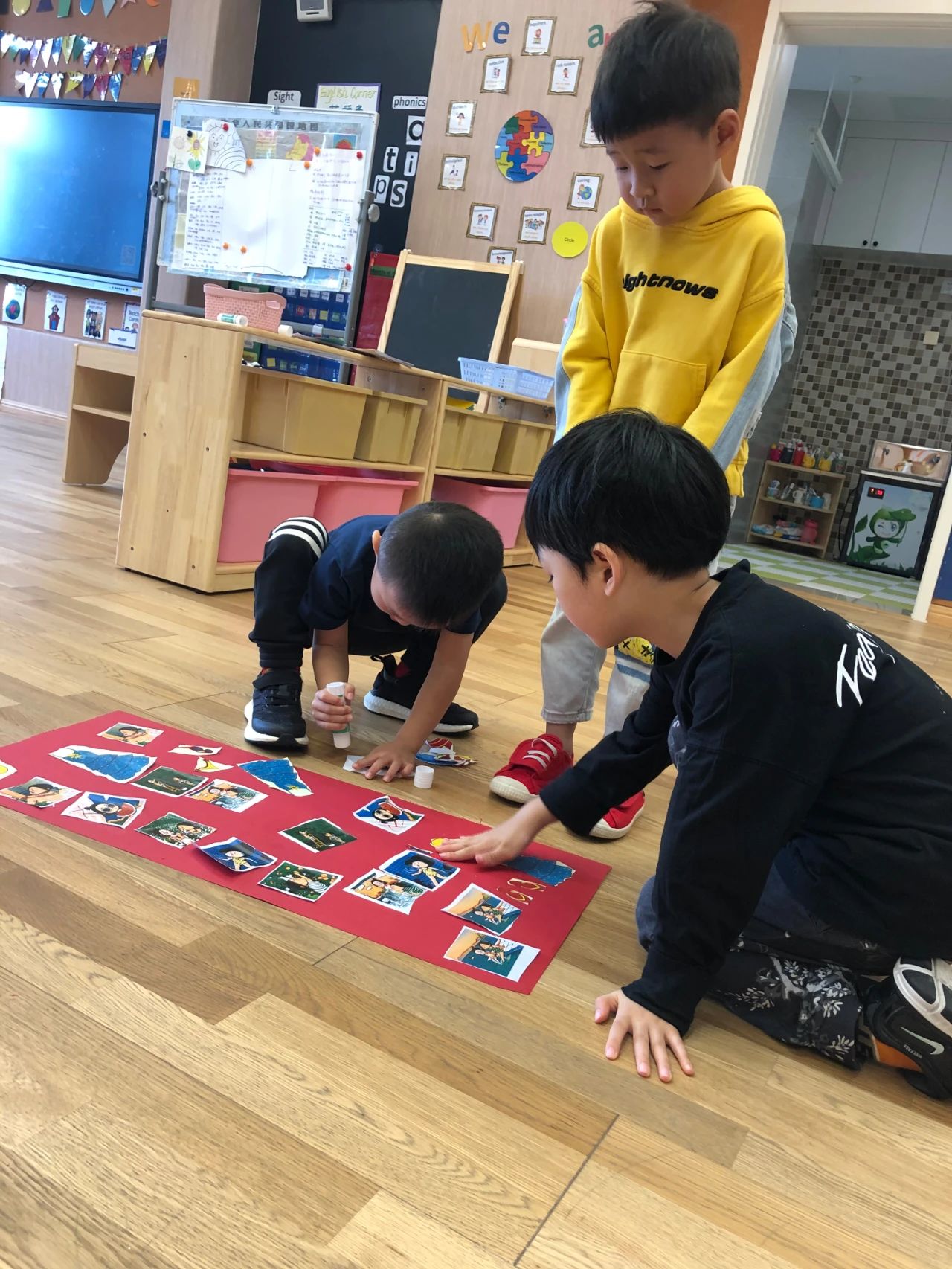
(3)换装组:能够根据天气的变化,匹配相应的装备;
Sorting Out Group: Students sort out proper clothing for different kinds of weather.
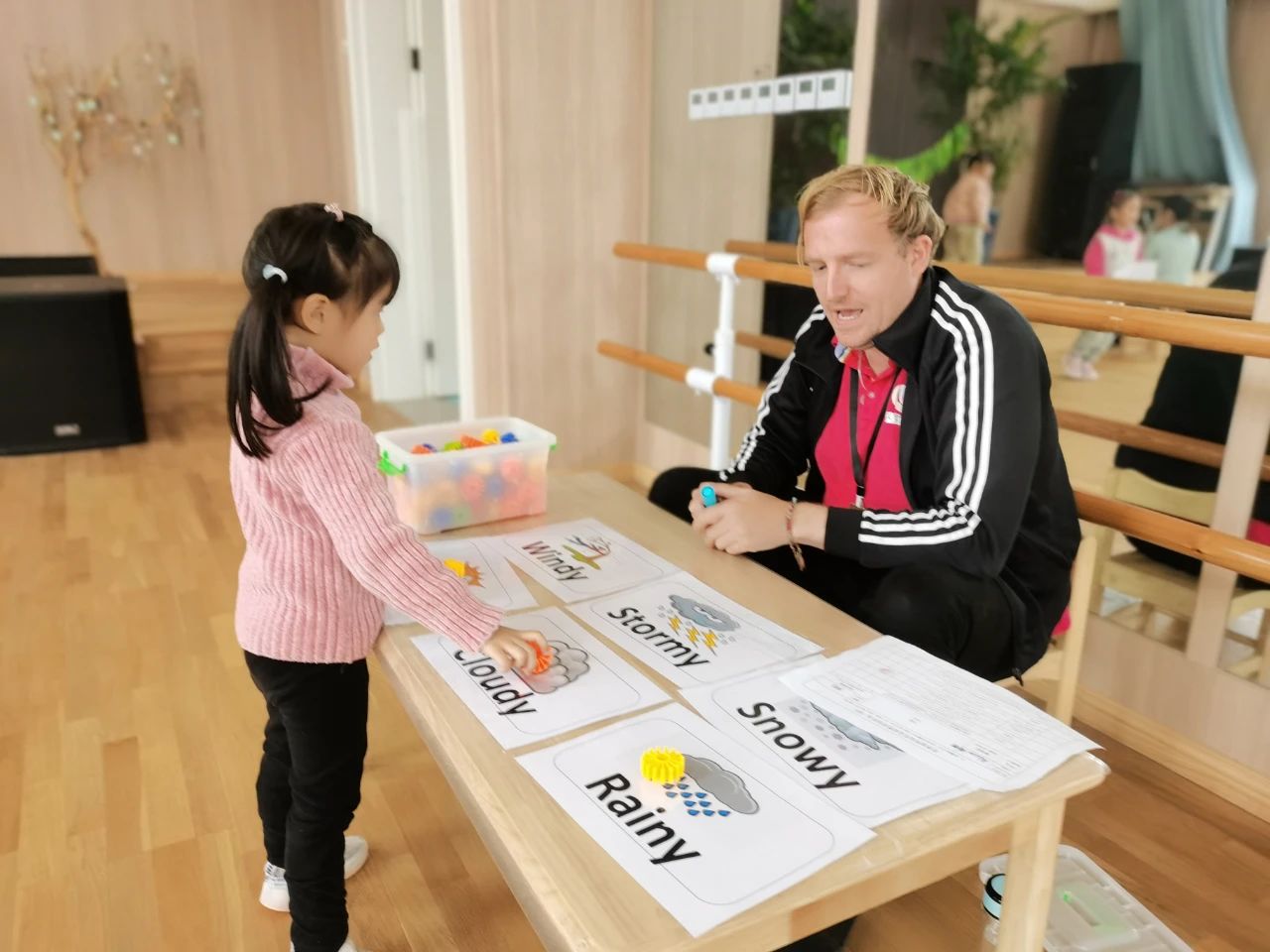
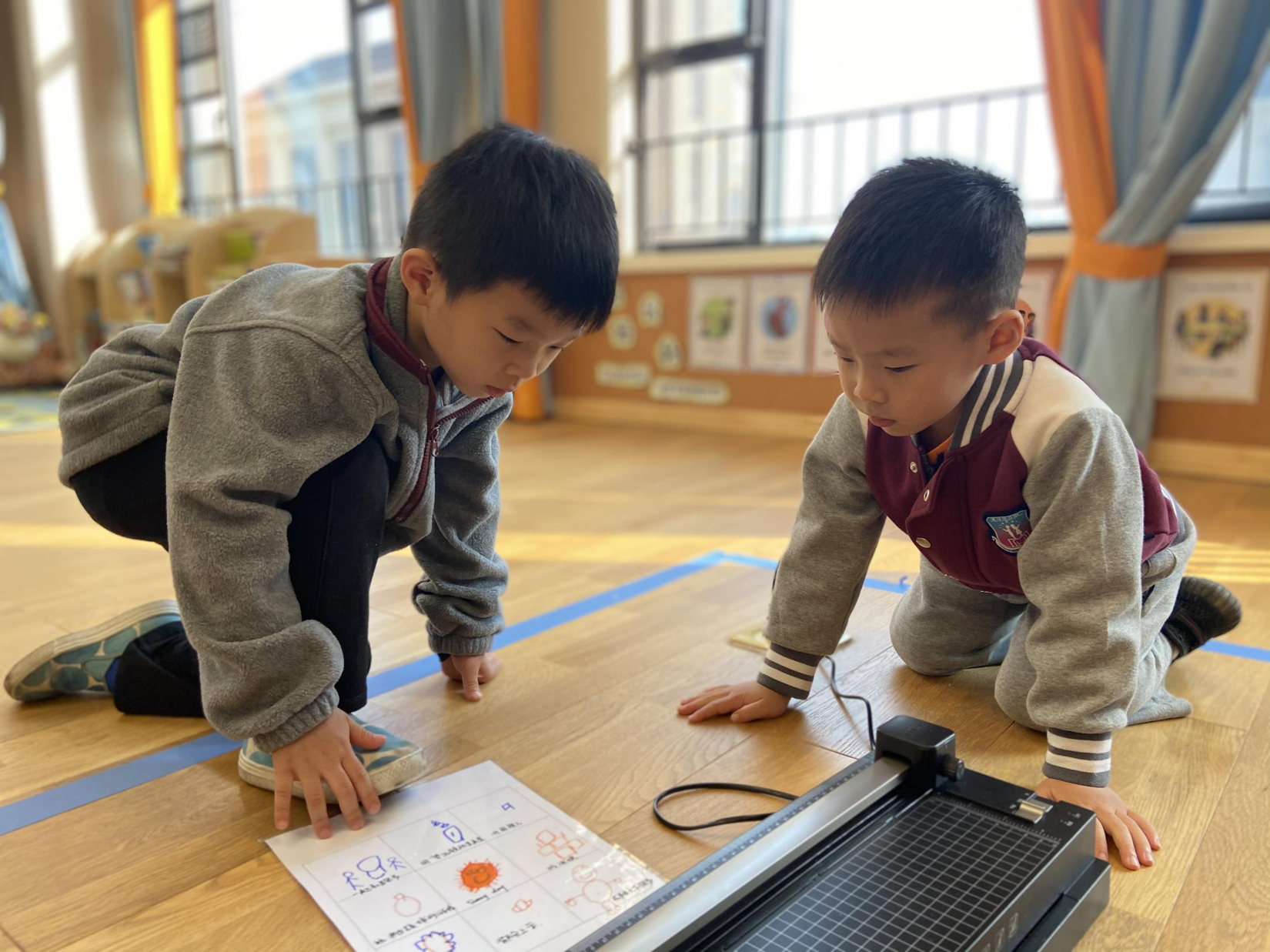
(4)词卡匹配组:能将天气图片与对应的单词匹配;
Flashcards Matching Game: Students match the weather picture with the corresponding word.
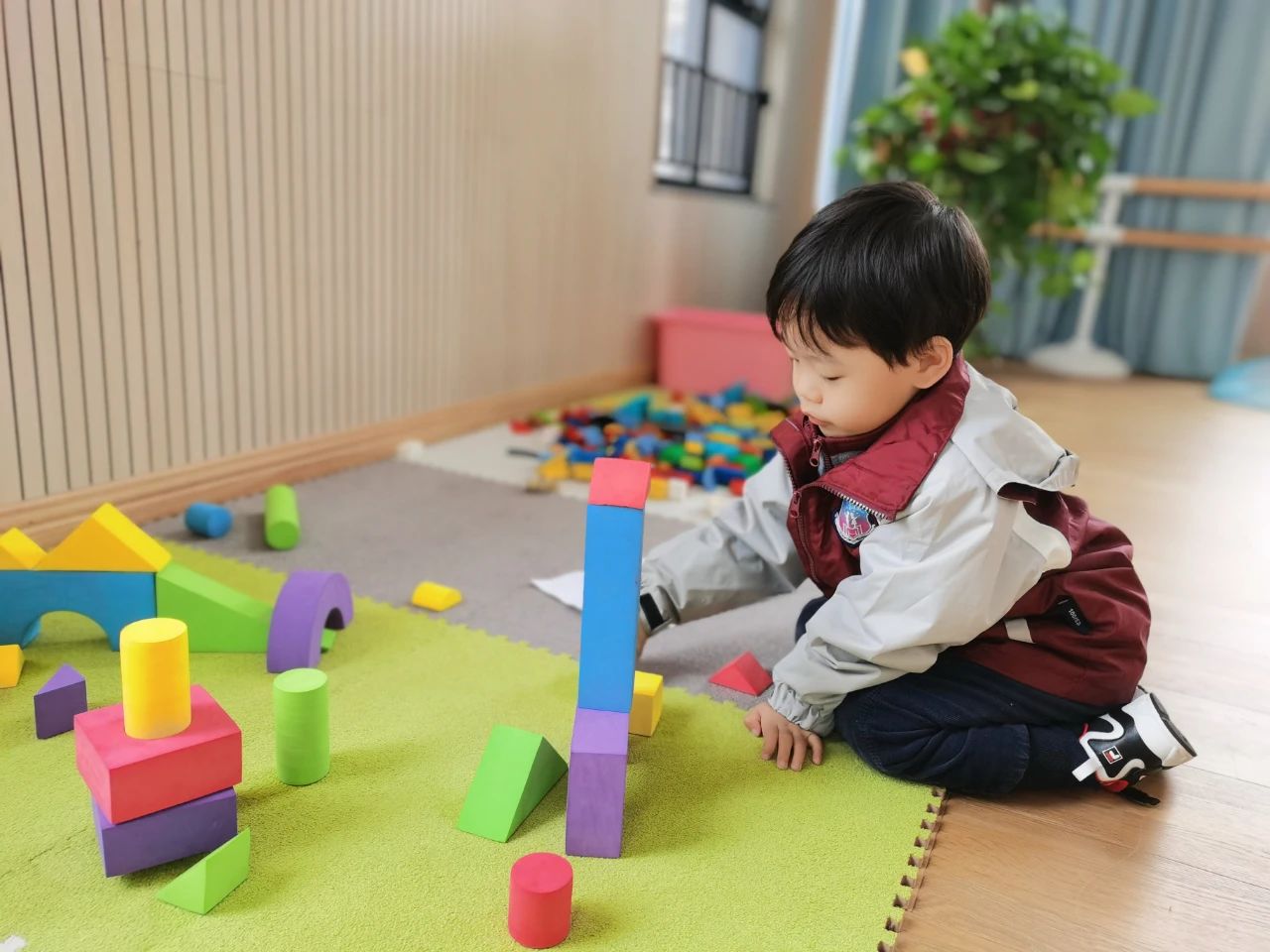
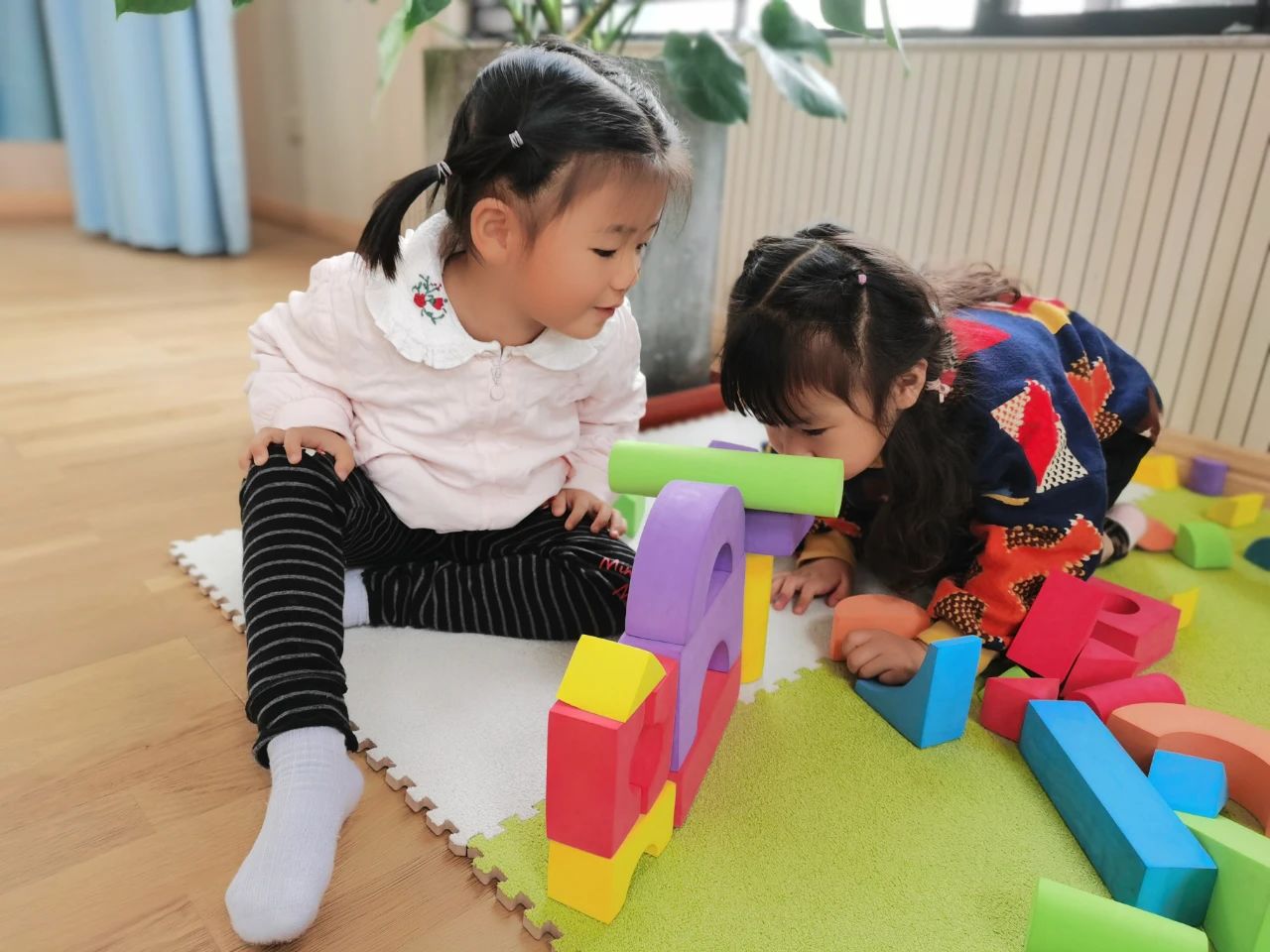
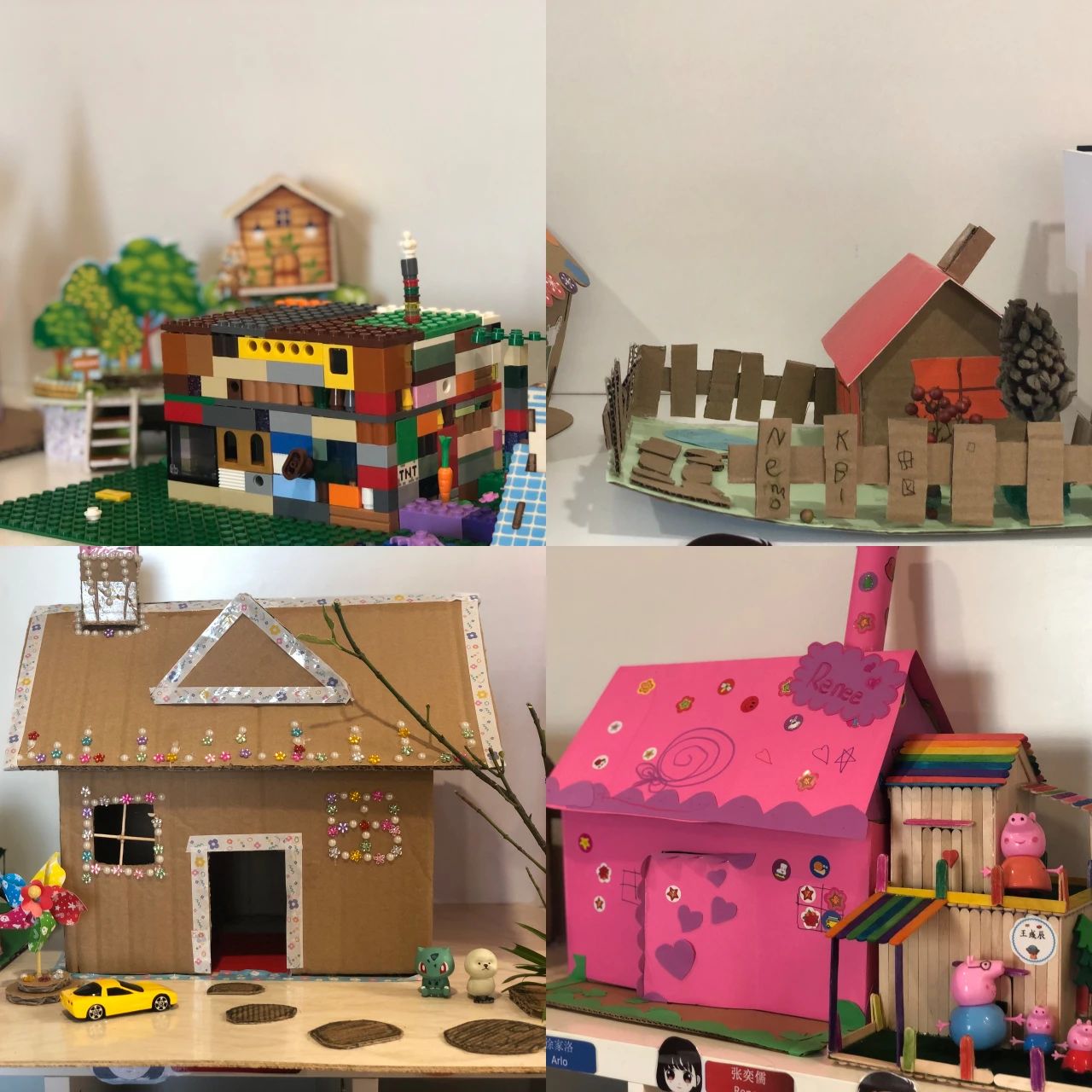
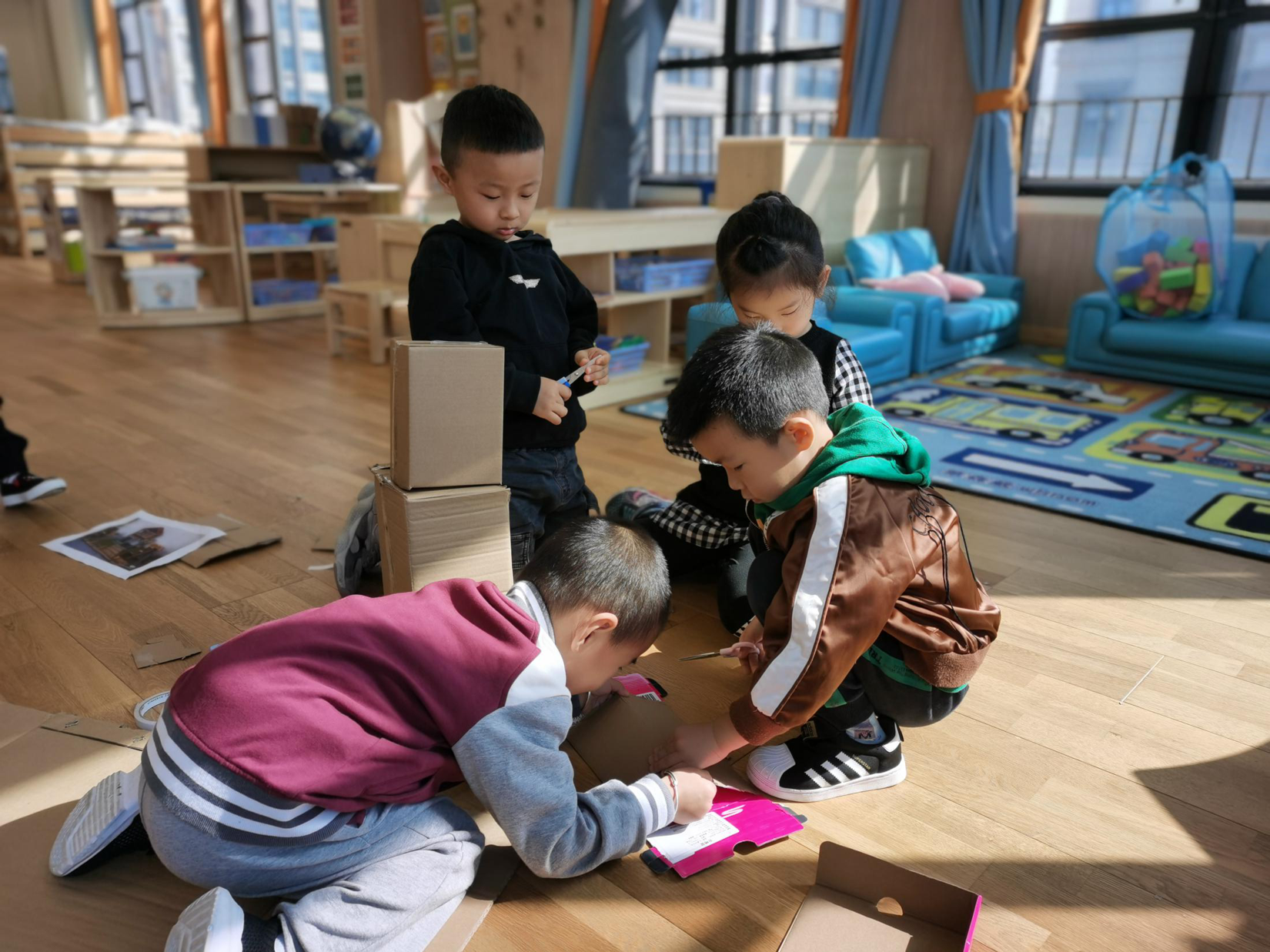
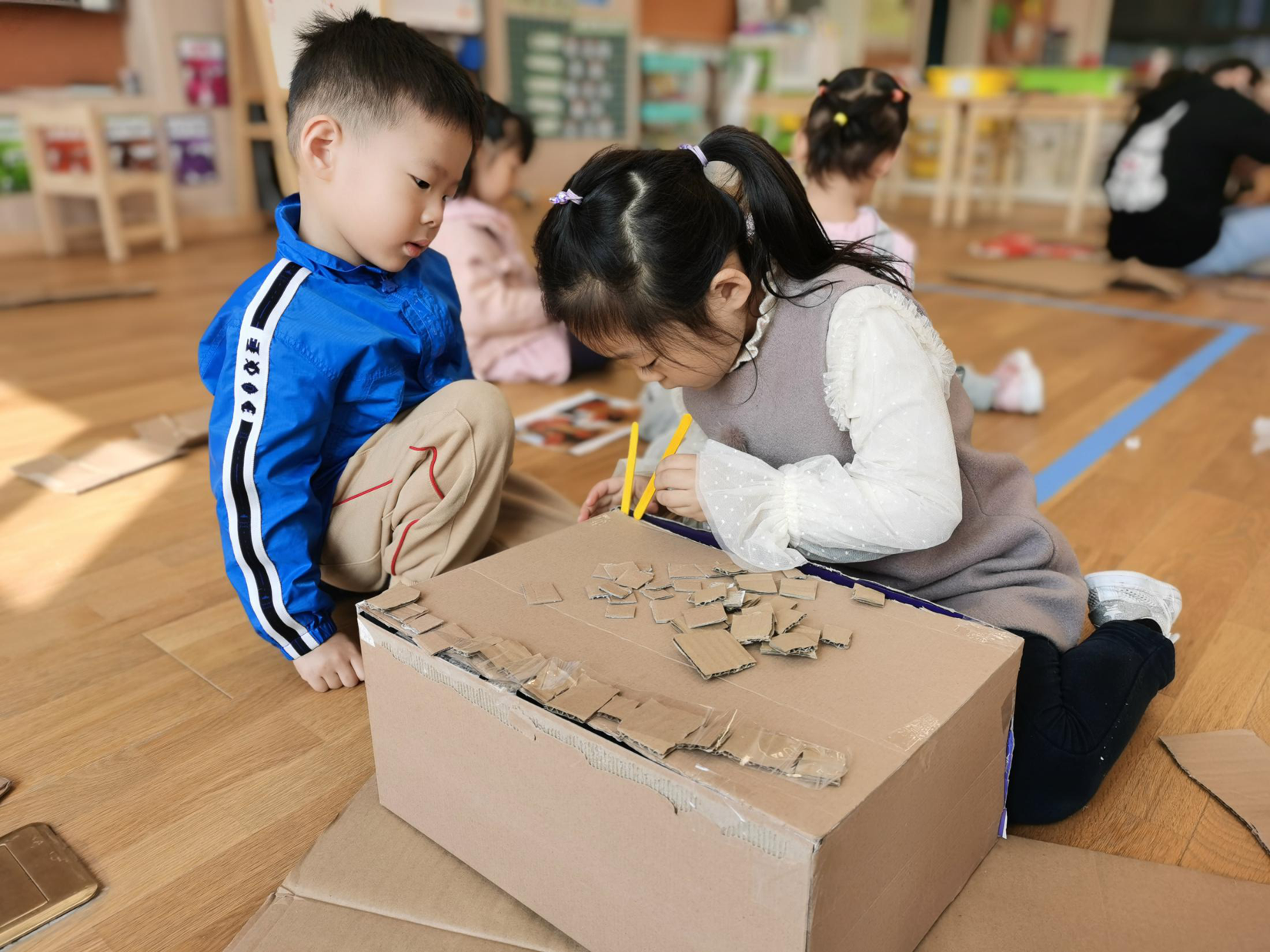
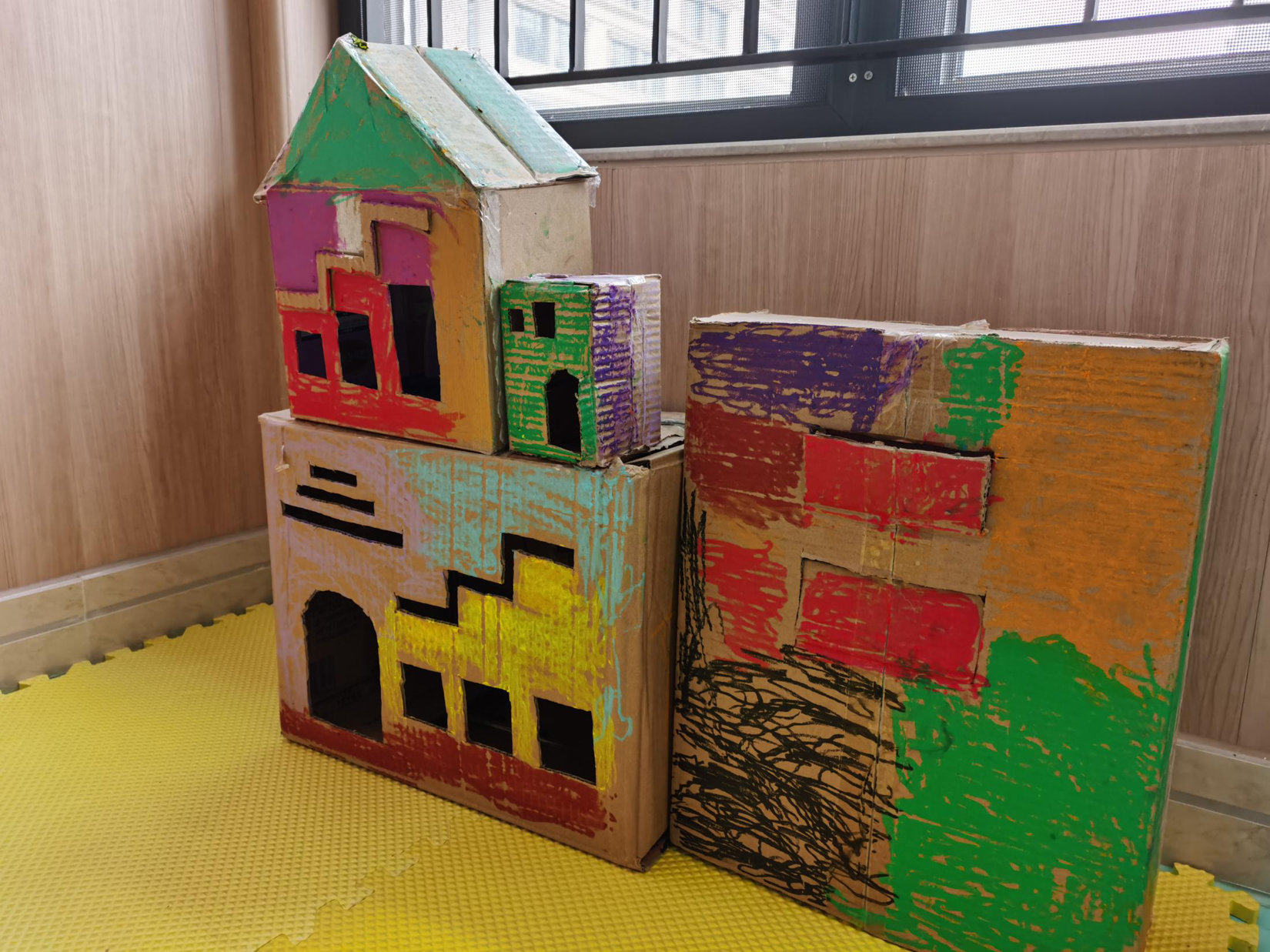
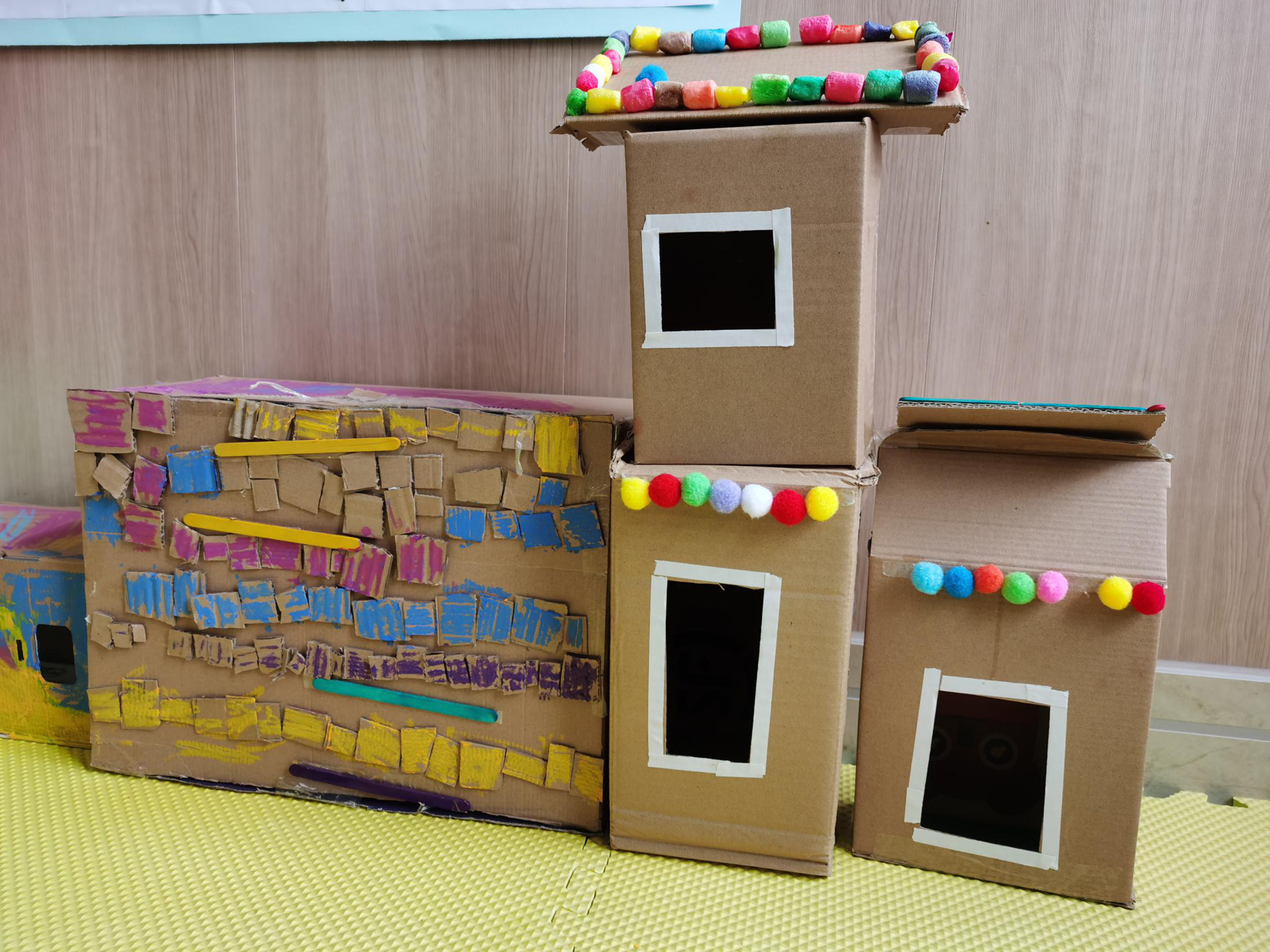
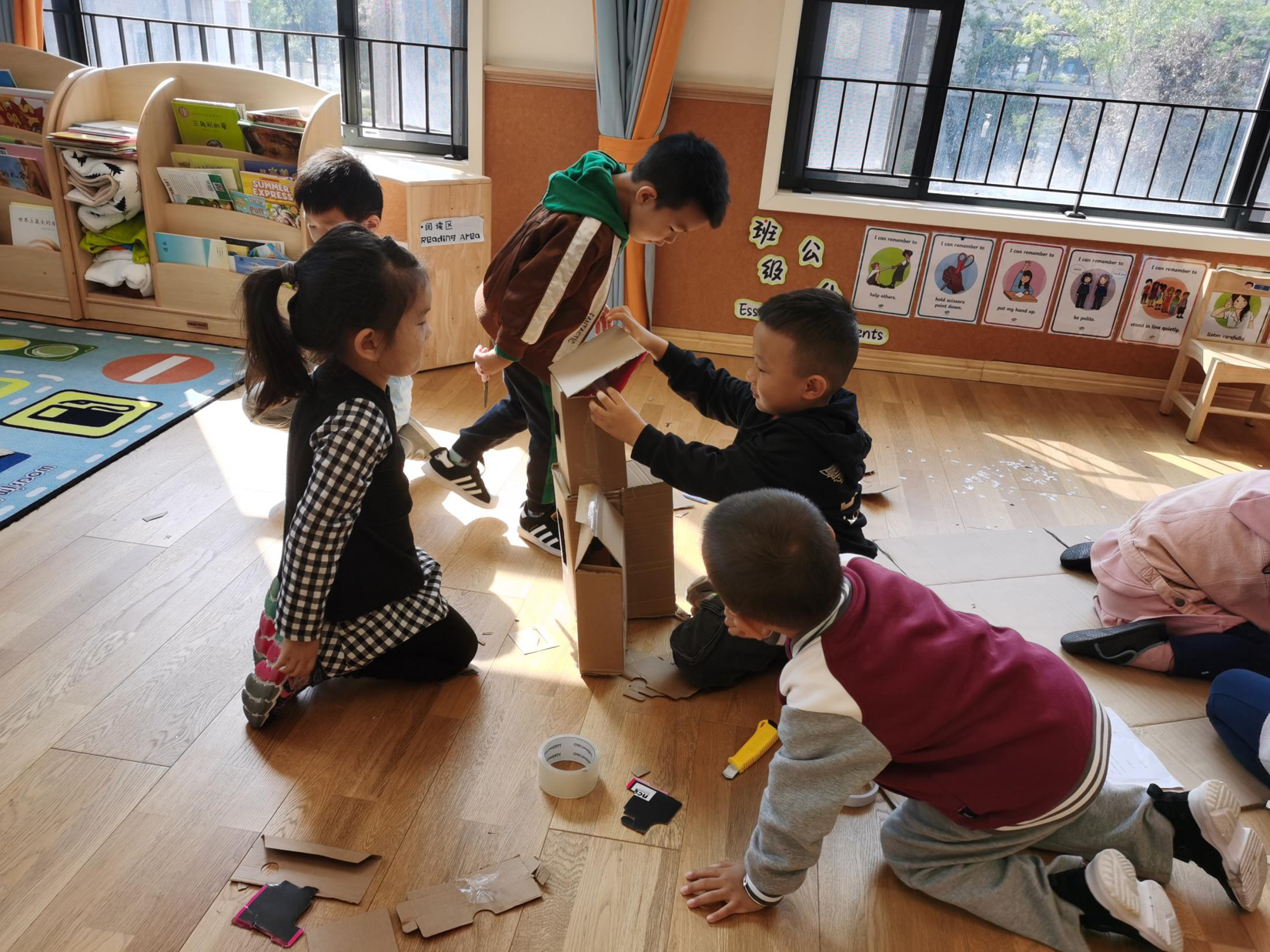
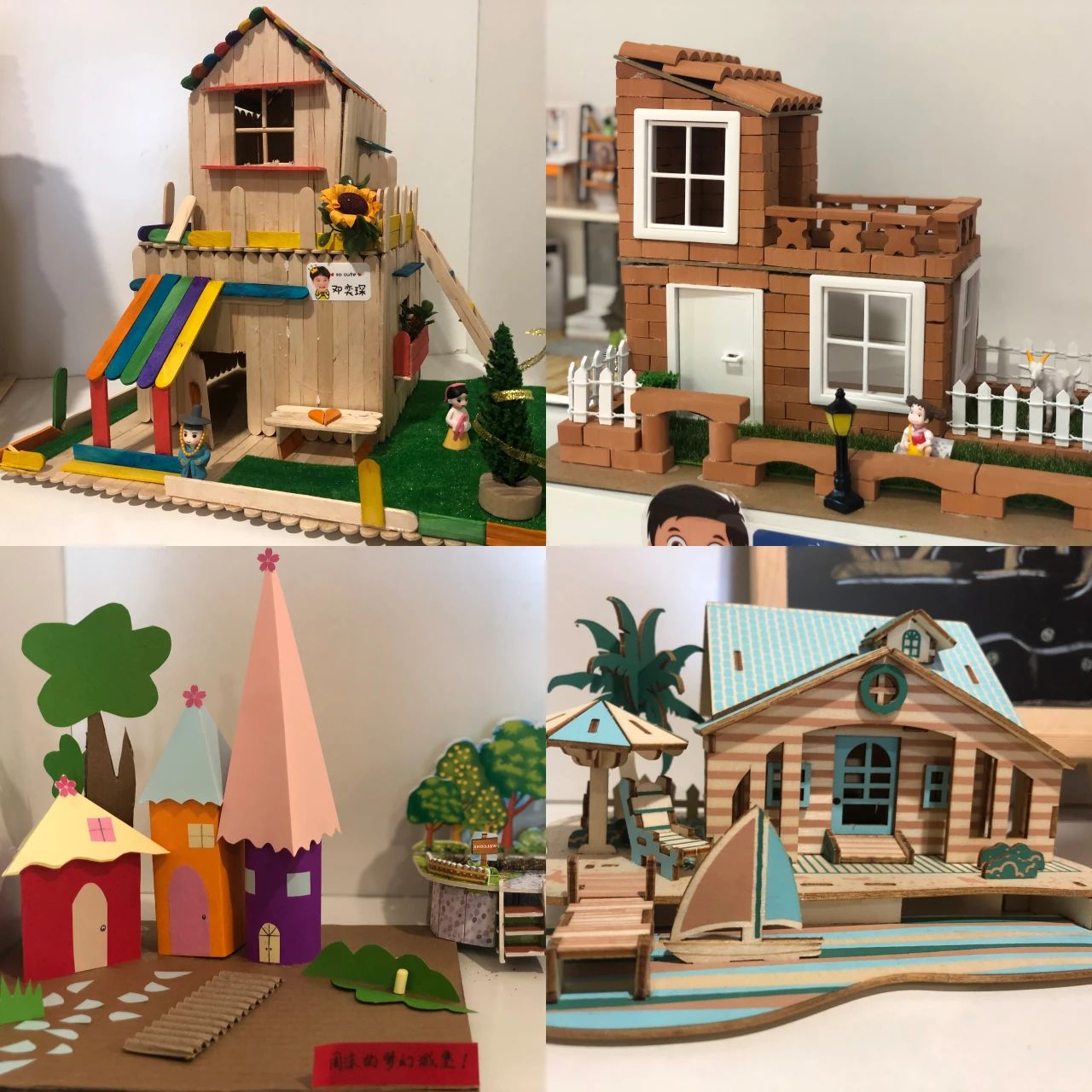
(5)建构组:能用木头搭建牢固的房子,抵御恶劣天气;
Construction Building Group: Students build houses with wood to resist bad weather.
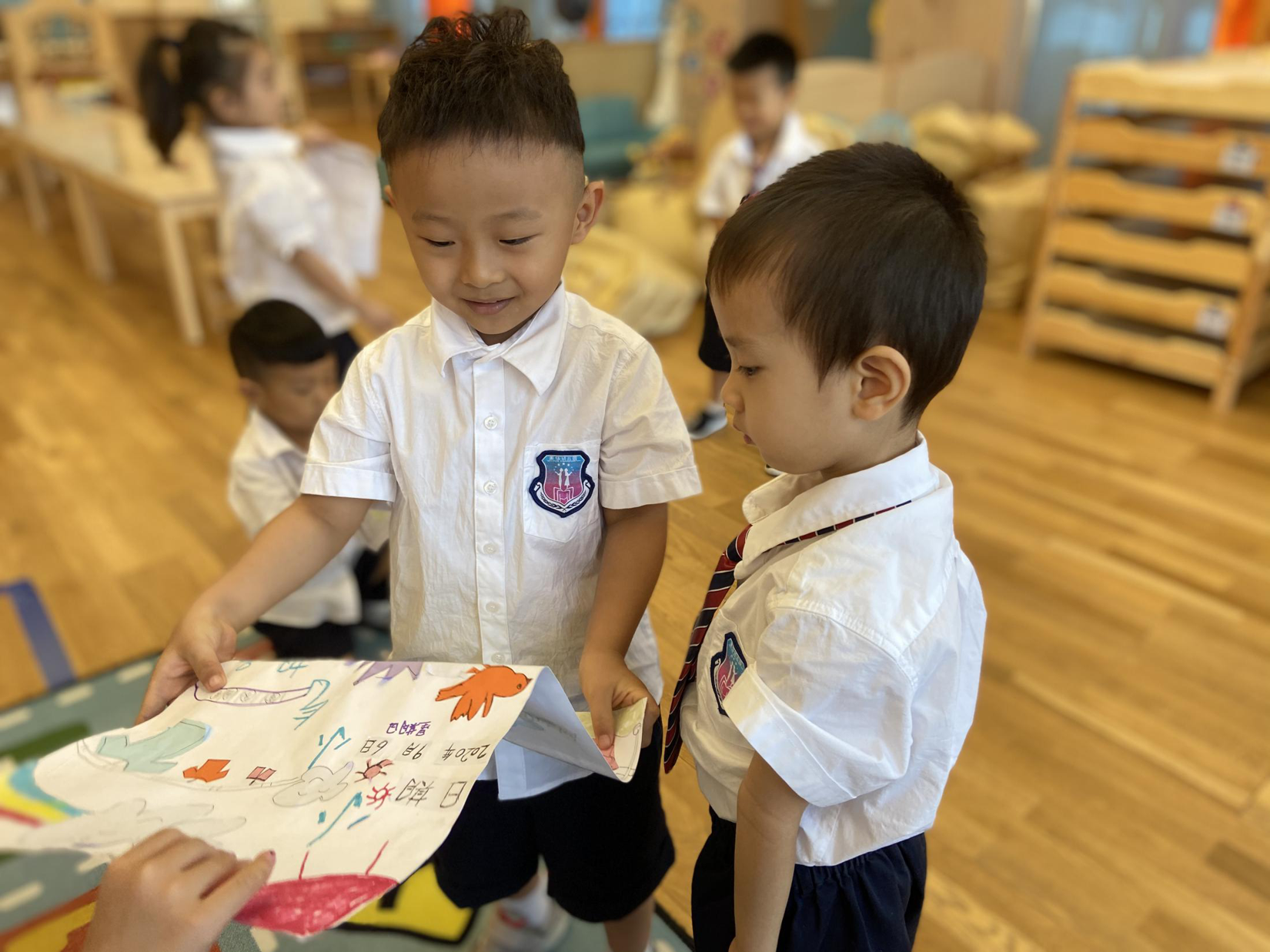
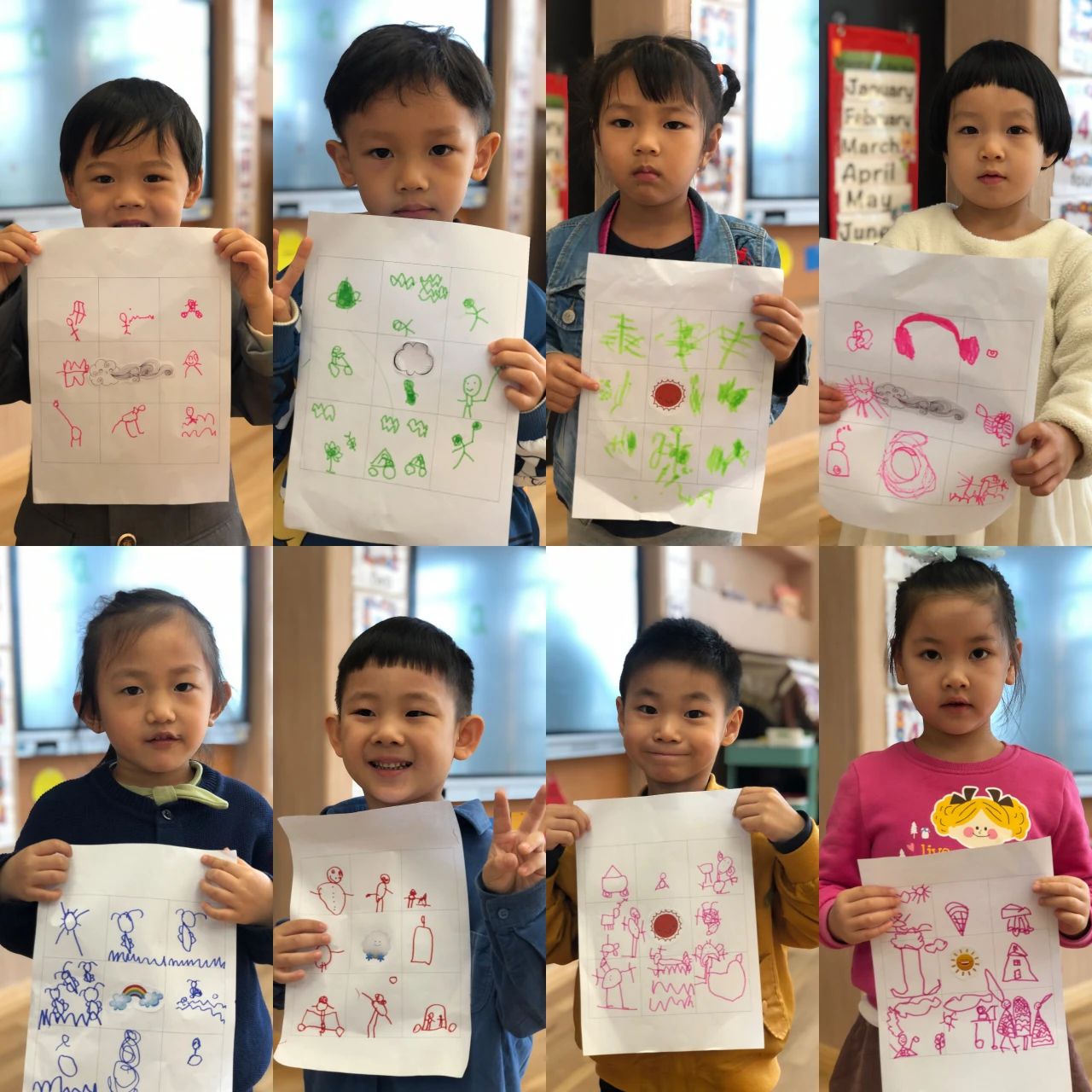
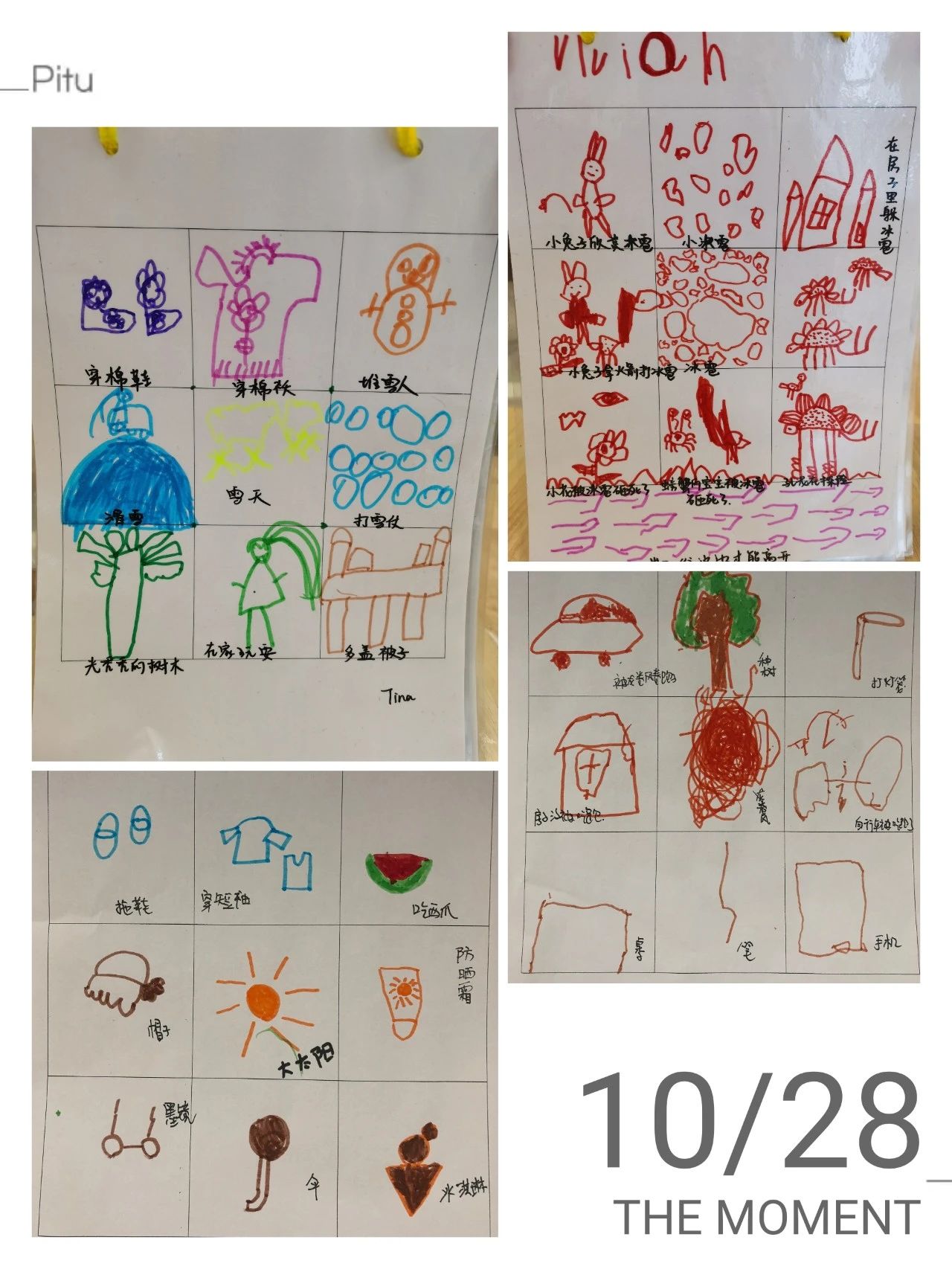
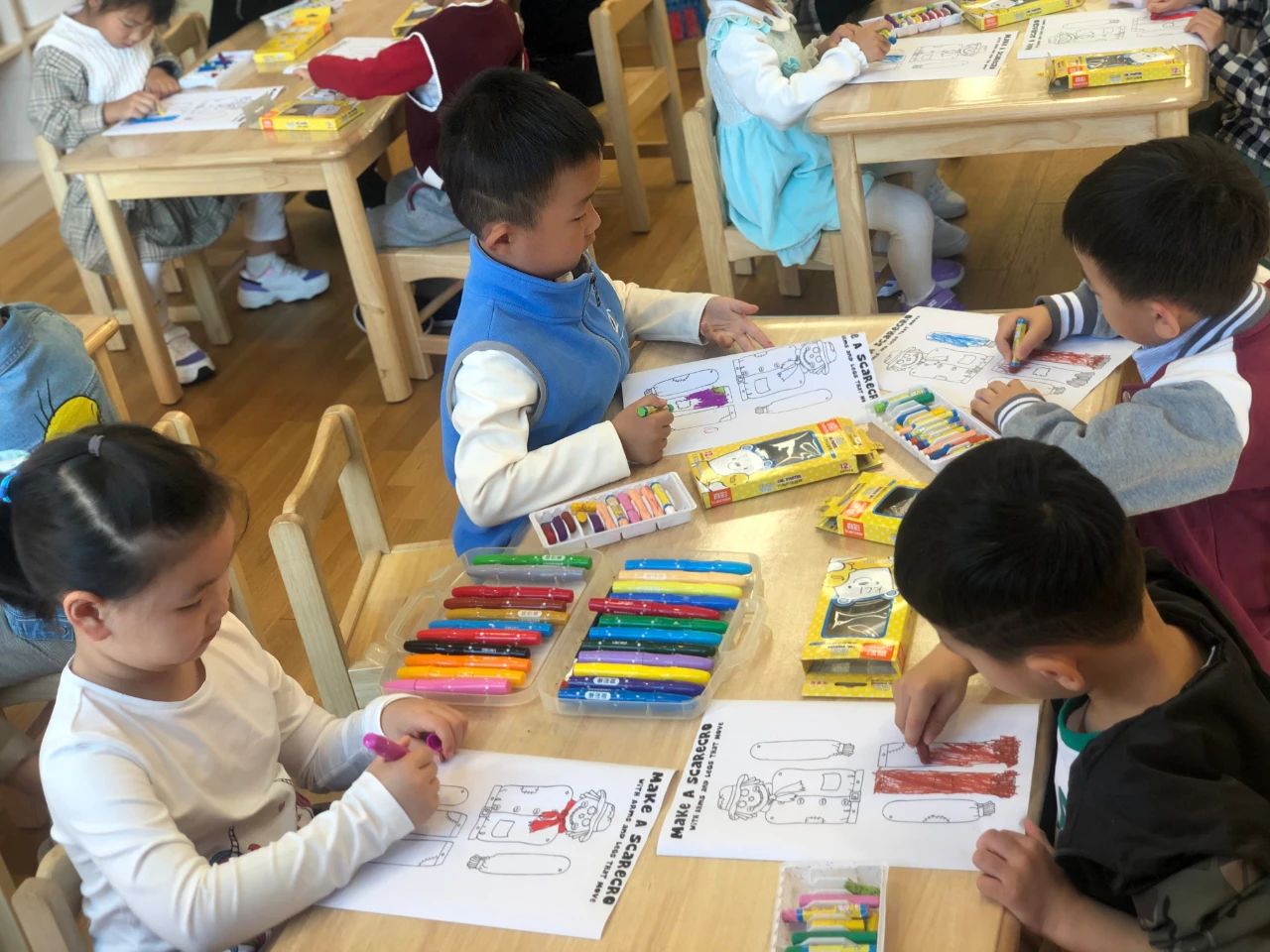
(6)绘画组:能根据老师的描述画出相应的天气,并说在这种天气下能做什么。
Painting Group: Students draw the corresponding weather according to the teacher's description. Students discuss activities to be done with different kinds of weather.
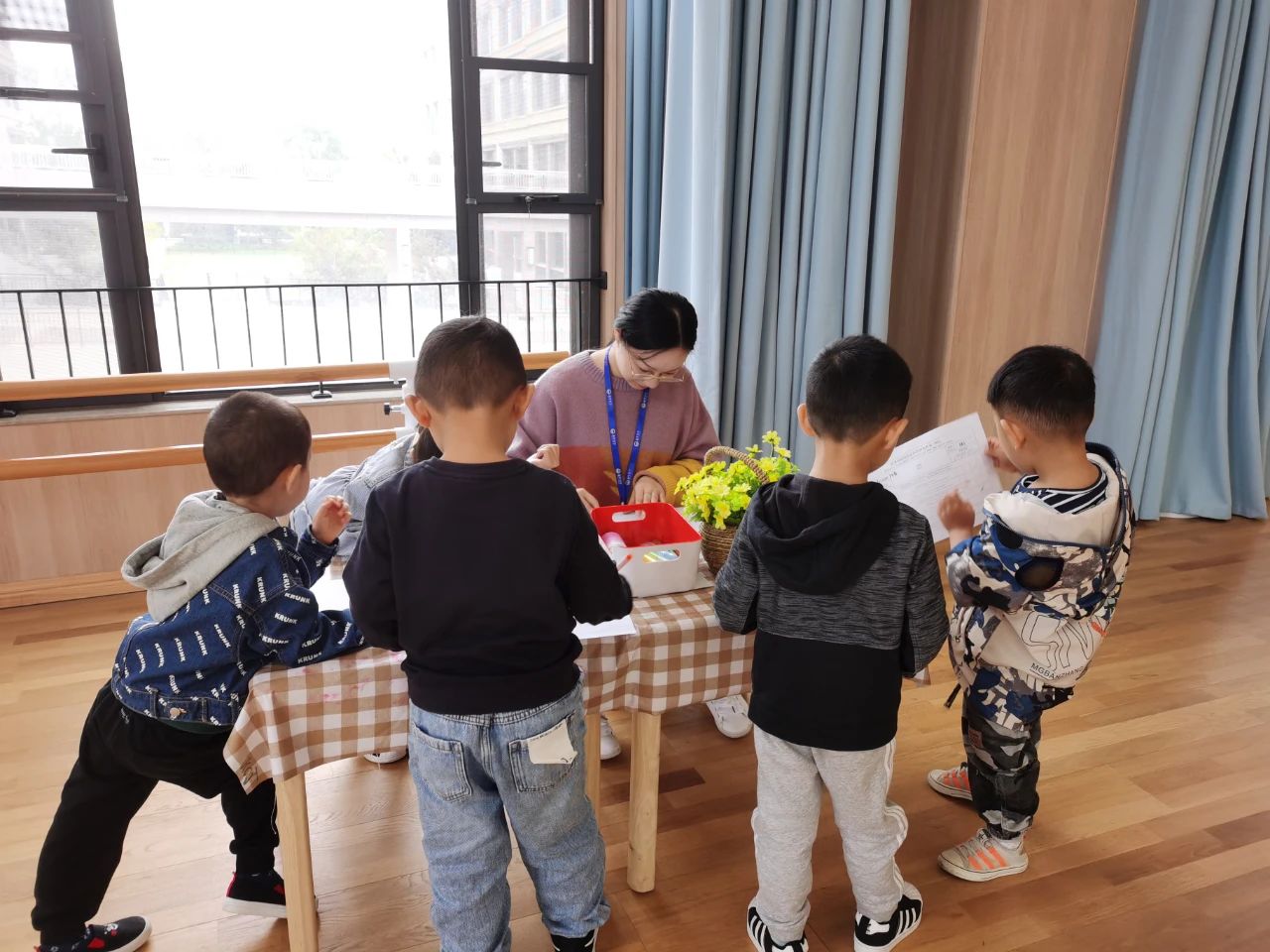
小朋友个个身怀绝技,欢欣踊跃的参加每一组的测评活动,下面我们一起来揭秘这些小小学习者的学习之旅吧!
All the students used their different skills as they participate enthusiastically in the evaluation activities of each group. Let us reveal the learning experience of our young learners together!
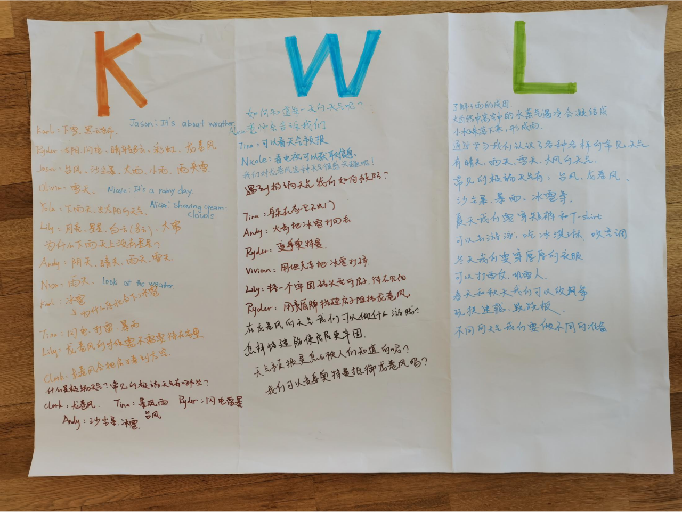
以“不同的天气会影响人们的日常生活”为中心思想,我们开展了《世界如何运作》超学科主题下关于“天气”的探究。以概念驱动课程,围绕着“形式、联系、变化”这几个重要概念,展开了一系列的发现与探索。导入(Tuning in)环节,孩子们带着“天气调查表”回到家庭,和爸爸妈妈一起通过查阅图书、绘制图画、上网查阅等方式搜集了与天气有关的资料,然后通过“圈里圈外”的音乐游戏将完成的调查表与不同的同伴分享与交流。最后老师和学生们一起归纳总结,并将获得的这些前期经验记录在“KWL”表格中“K(know)”这一栏。
With "Different kinds of weather affects people's daily life" as the central idea, we launched an inquiry into "weather" under the transdisciplinary theme of "How the World Works". The concept-driven course has launched a series of discoveries and explorations around the important concepts of "form, connection, and change". In the Tuning In session, the students did a weather survey with their parents and collected weather-related information by reading books, drawing pictures, and searching the internet. Together with their classmates, they shared and discussed weather related topics in class. Finally, the teacher and the students summarized their experience and recorded them in the KWL Chart.
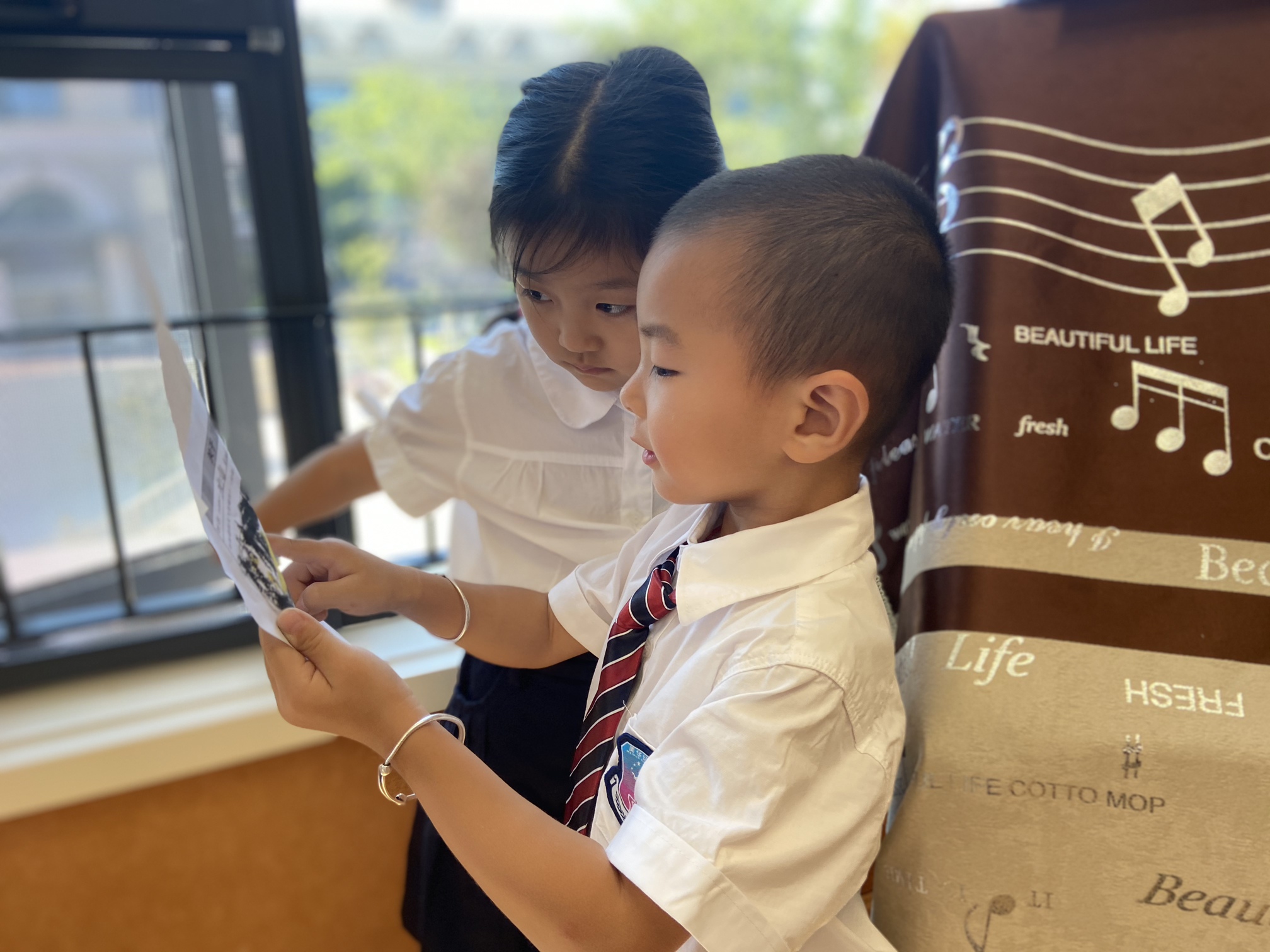
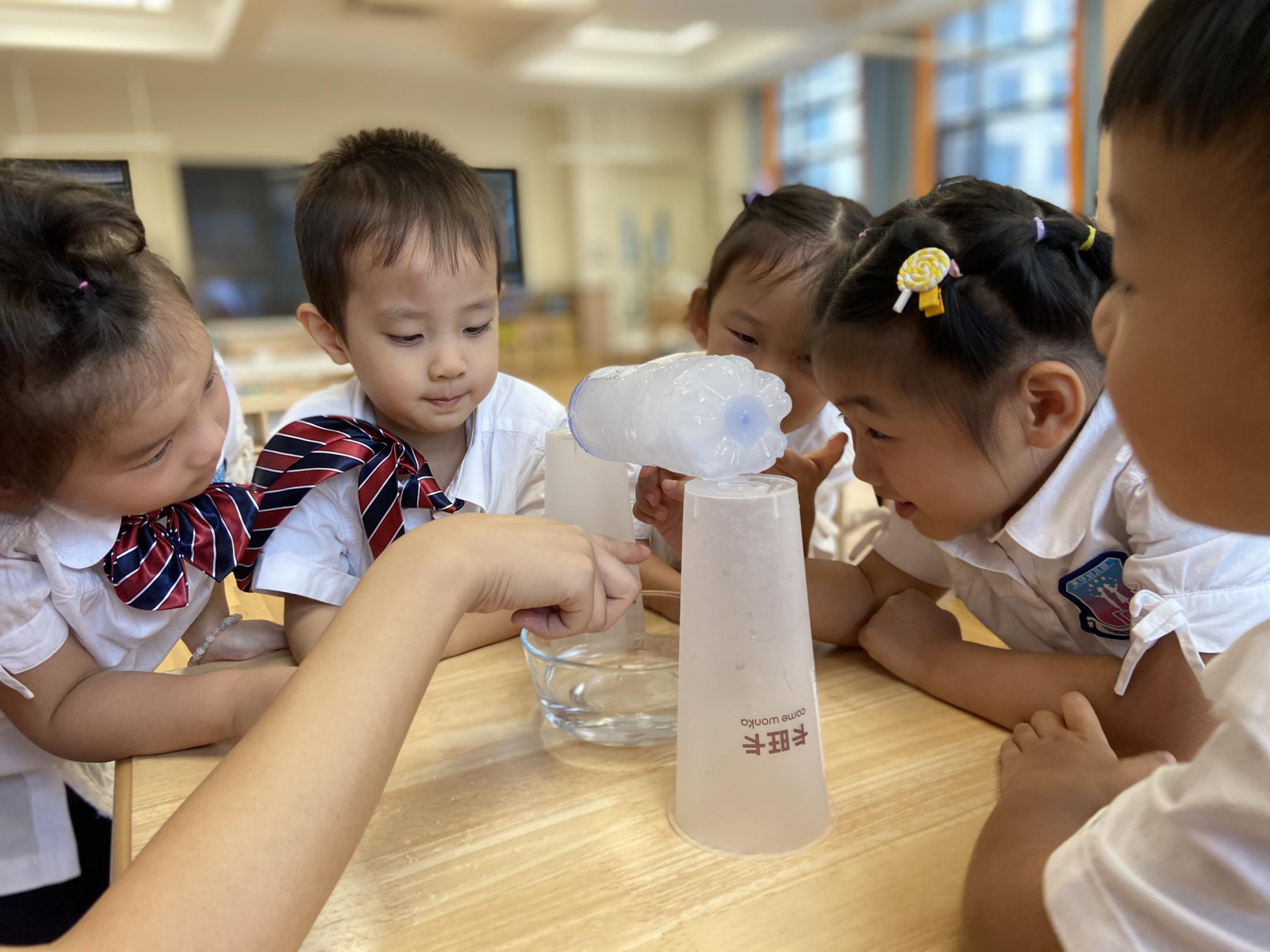
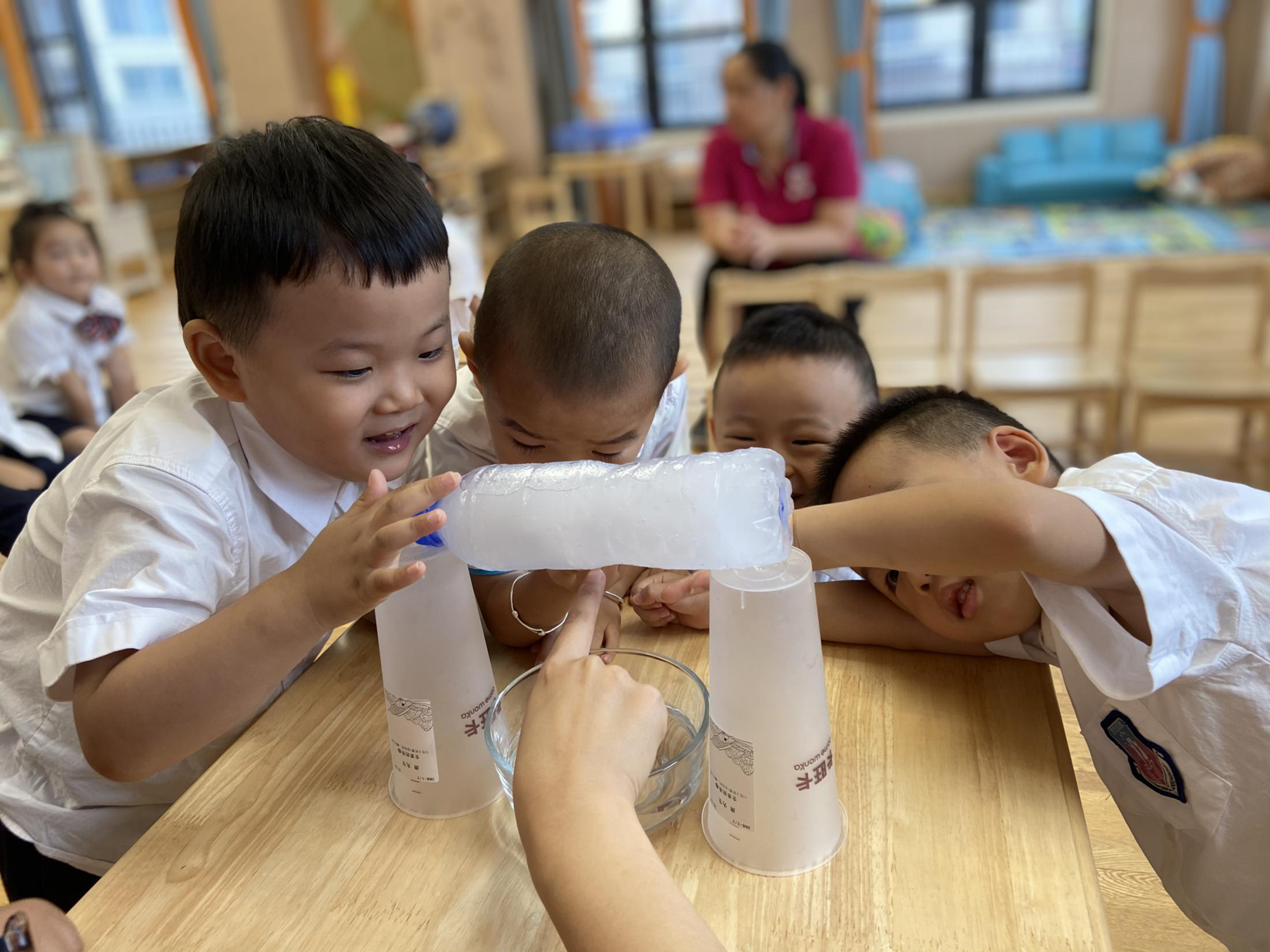
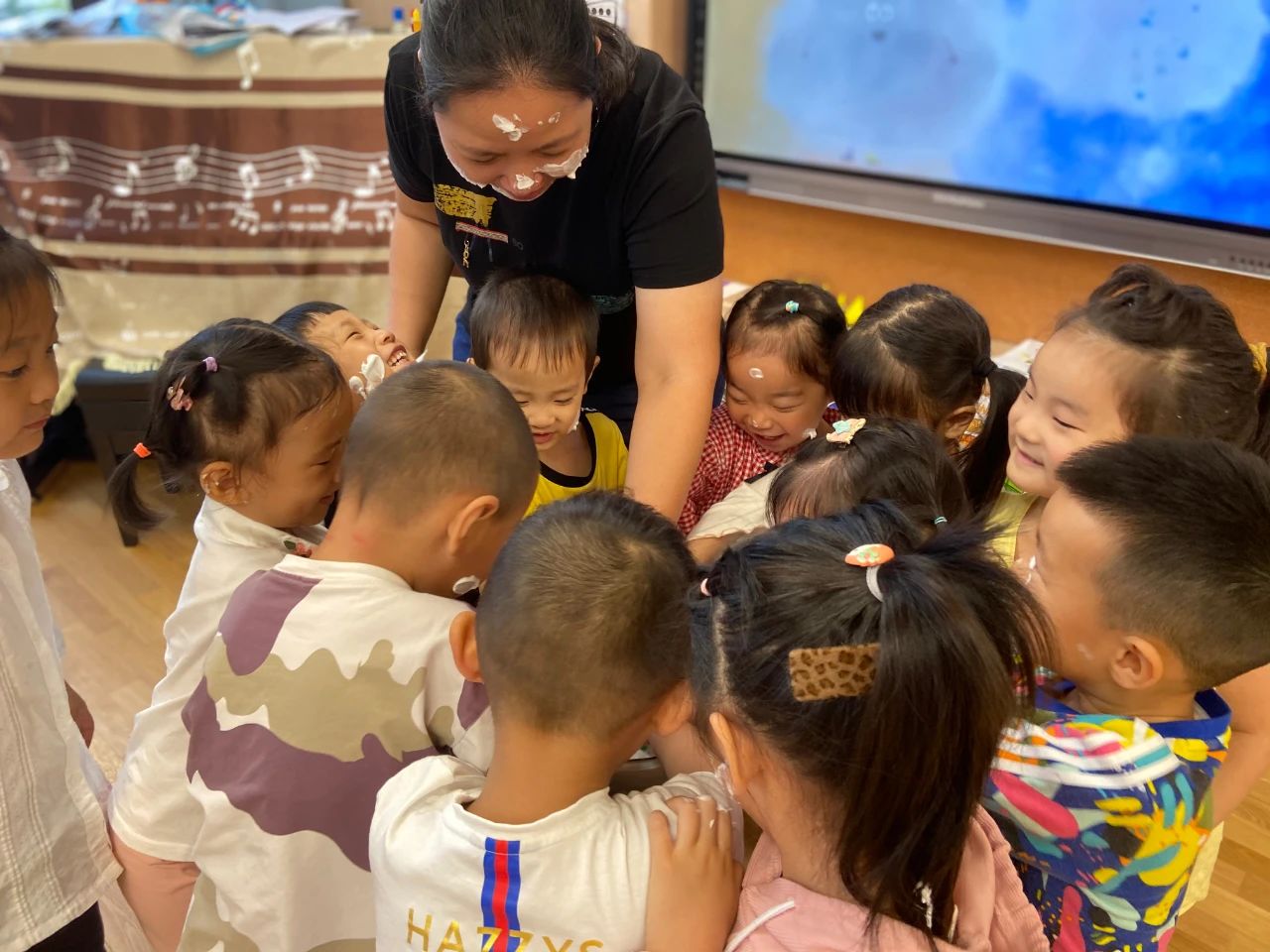
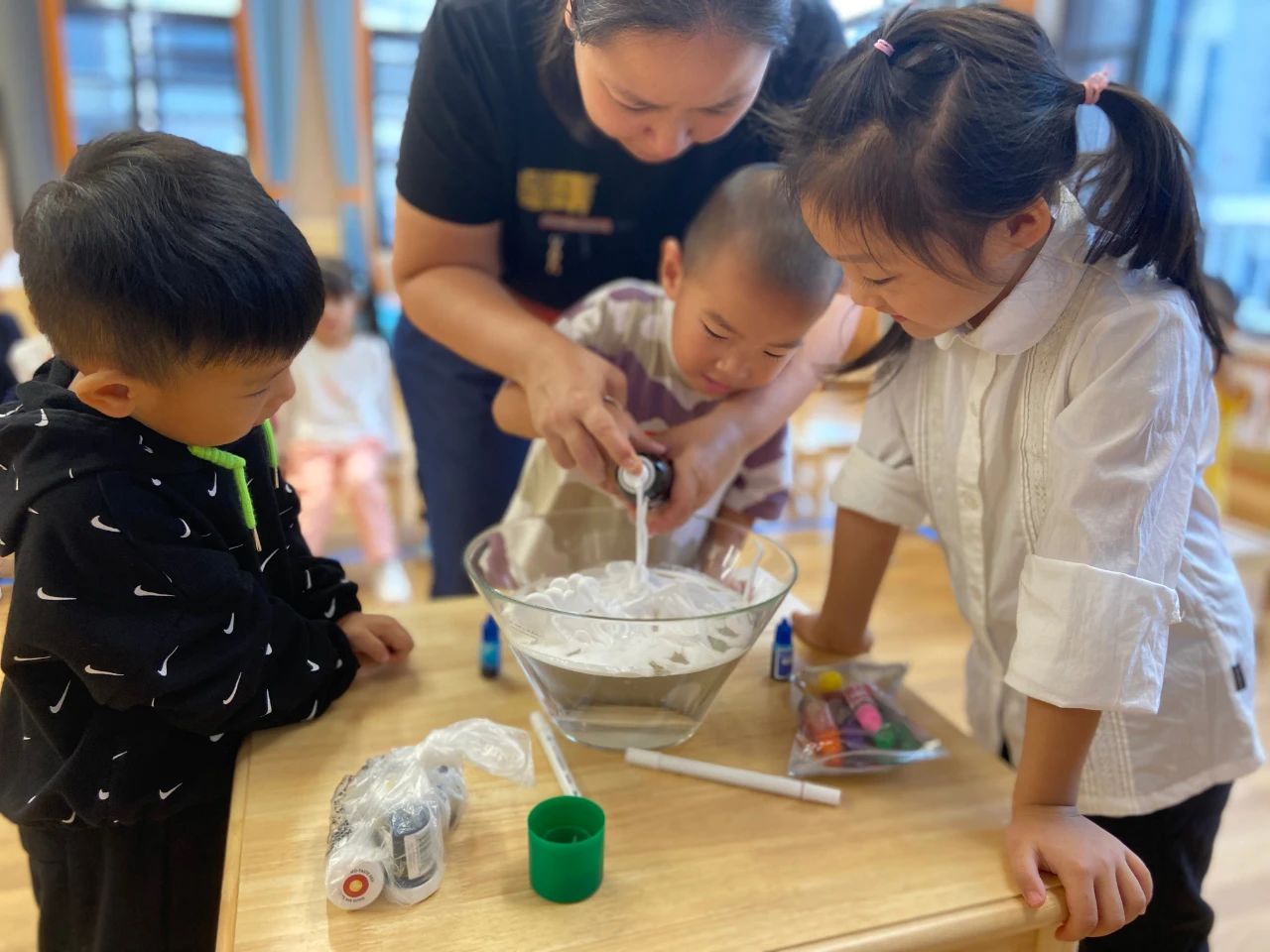
接下来的发现(Finding out)环节,孩子们对天气的形成提出了疑问:为什么会下雨?下雨的时候为什么会打雷闪电?风和云是怎么形成的呢?基于能动性的学习,我们尊重每一个人的发言权,通过讨论我们选择重点探究雨的形成过程。于是我们一起准备了操作材料:装满冰块的矿泉水瓶、装热水的器皿、纸杯等,一起完成实验,原来瓶子面向热水的外壁结满水滴并低落碗中代表着大自然高空中的水蒸气遇冷凝结成小水珠落下来的现象,这样就形成雨啦。
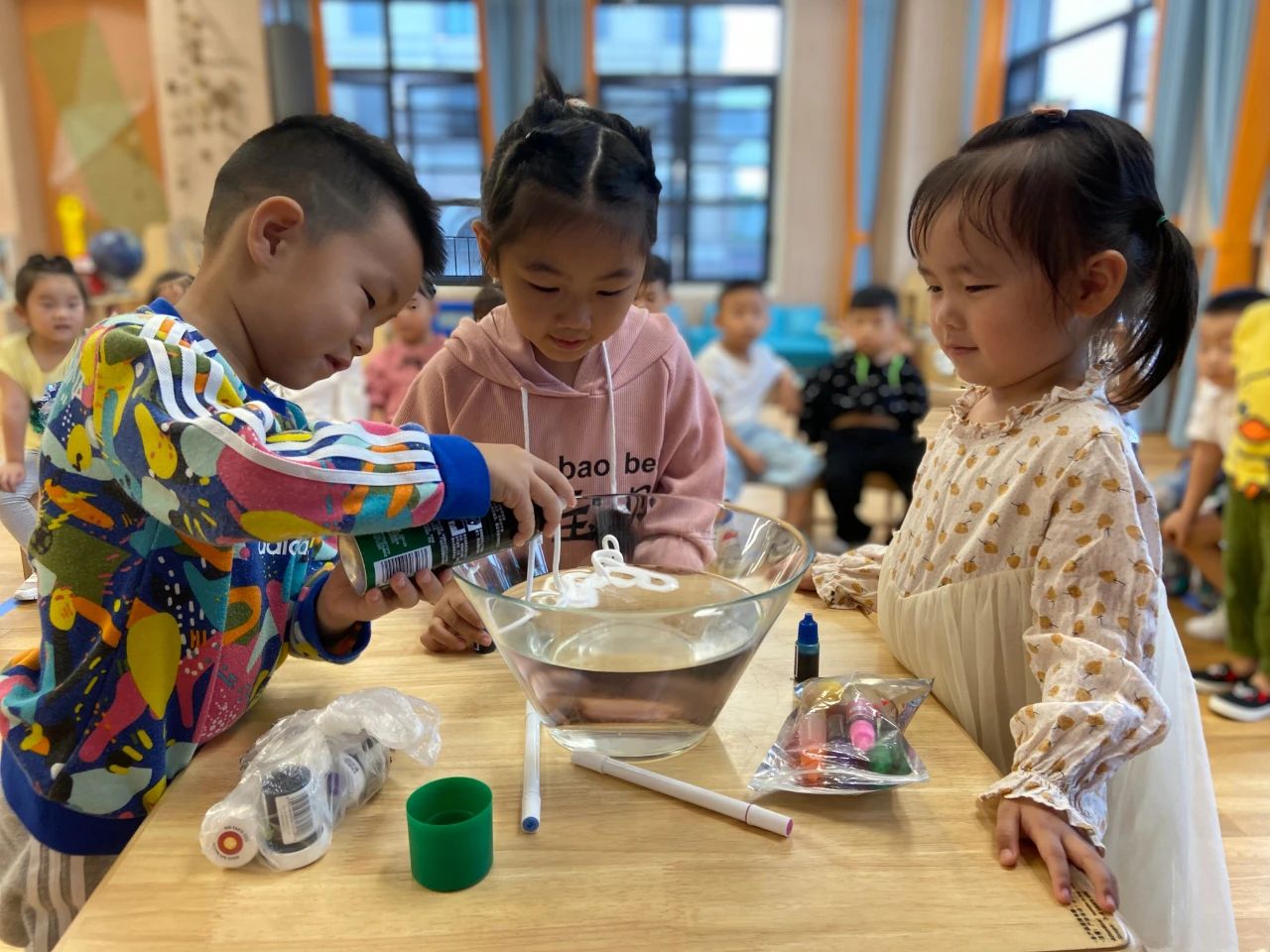
During the Finding Out session, the children discussed the formation of the weather: Why does it rain? Why does thunder and lightning occur when it rains? How do wind and clouds form? Students engaged in active learning—respecting everyone's right to speak, and after some discussions, we chose to focus on the formation of rain. We prepared the resources and materials together for our experiment: mineral water bottles filled with ice, hot water containers, paper cups, and shaving foam. It turned out that the outer wall of the bottle facing the hot water was full of water drops. The bowl represents the phenomenon that the vapor in the high altitude of nature condensed into small water droplets when it cools down, thus forming rain.
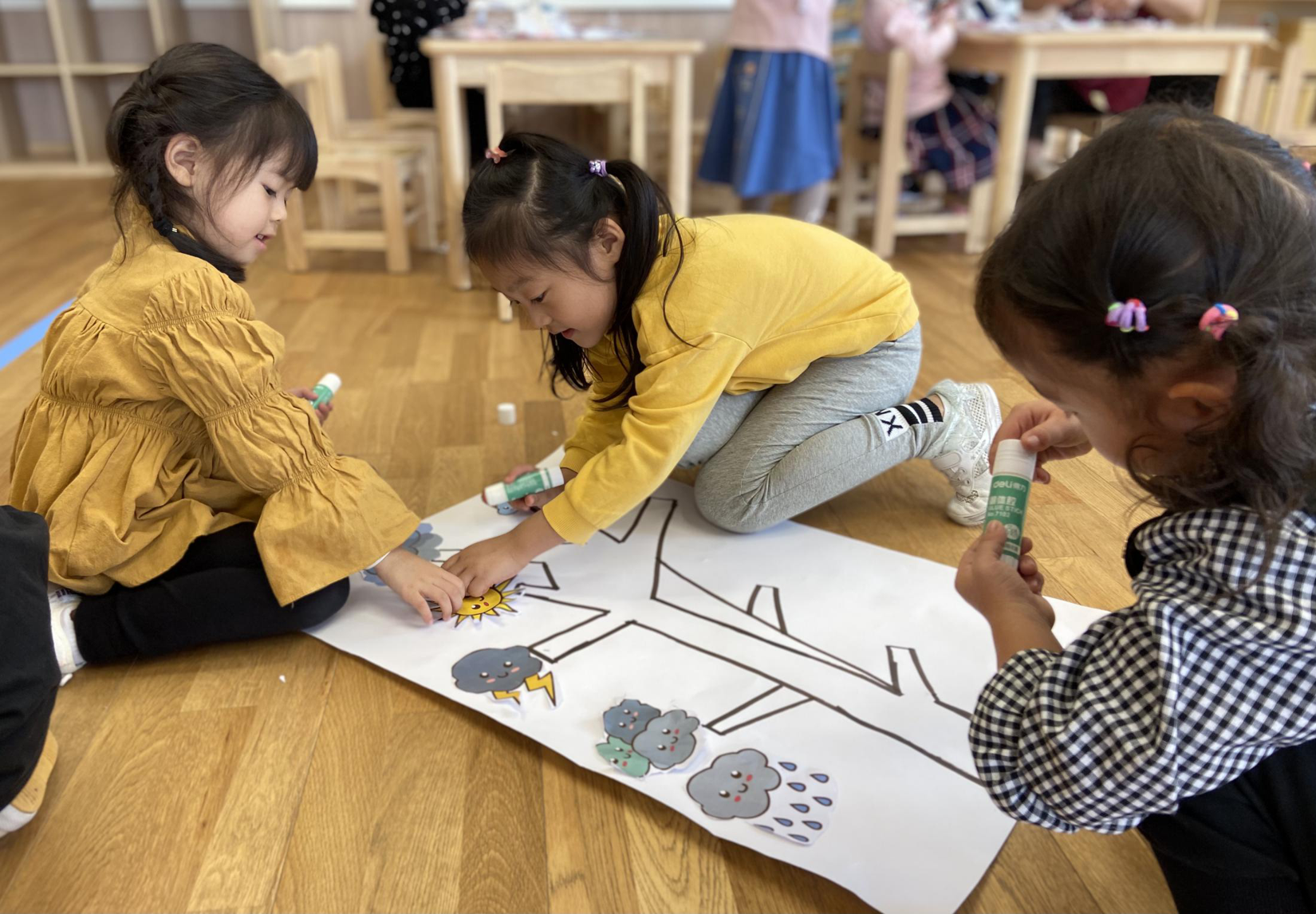
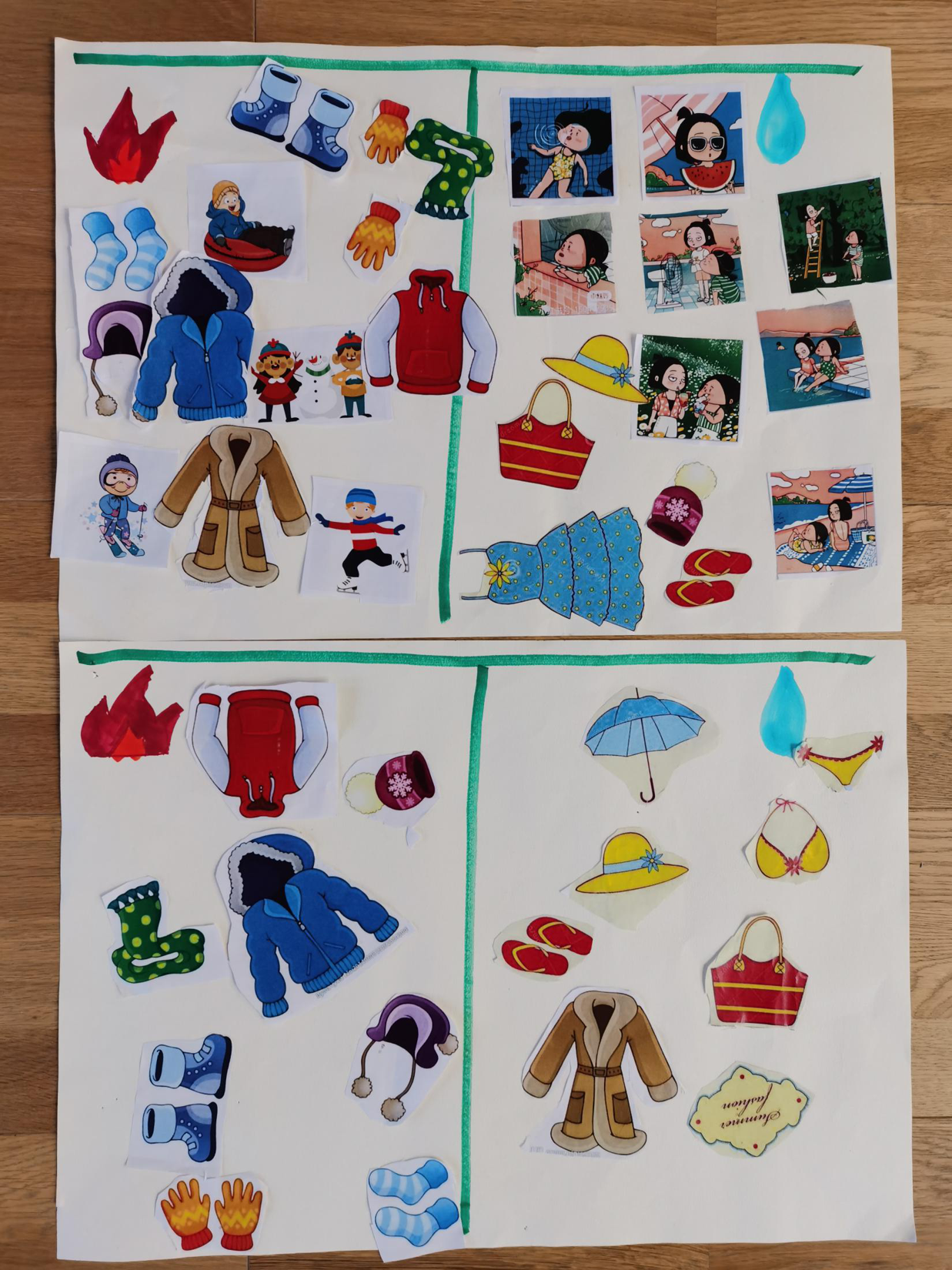
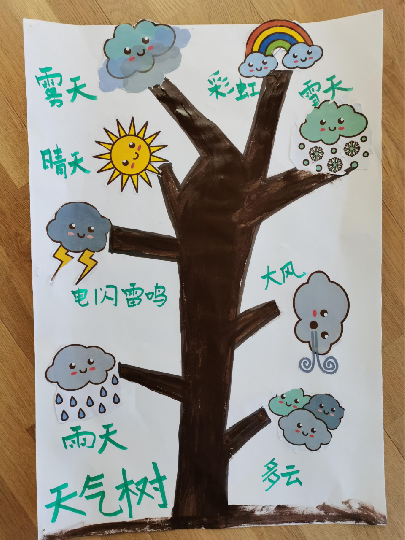
基于前面的学习,教师留意并反思了学生当前的能力、需要和兴趣,抓住了学生的“最近发展区”。在梳理(Sorting out )阶段我们一起制作了以“天气”为中心的思维导图:“天气树”和“会说天气的鱼”。同时用“T”表格将“冷”“热”天气所需的不同衣物分类。
Based on our previous learning, teachers paid attention to and reflected on students' current abilities, needs and interests, and grasps the students' "zone of proximal development". In the Sorting Out stage, we made a mind map centering on "weather": weather tree. At the same time, the “T” table is used to classify the different clothes needed in "cold" and "hot" weather.
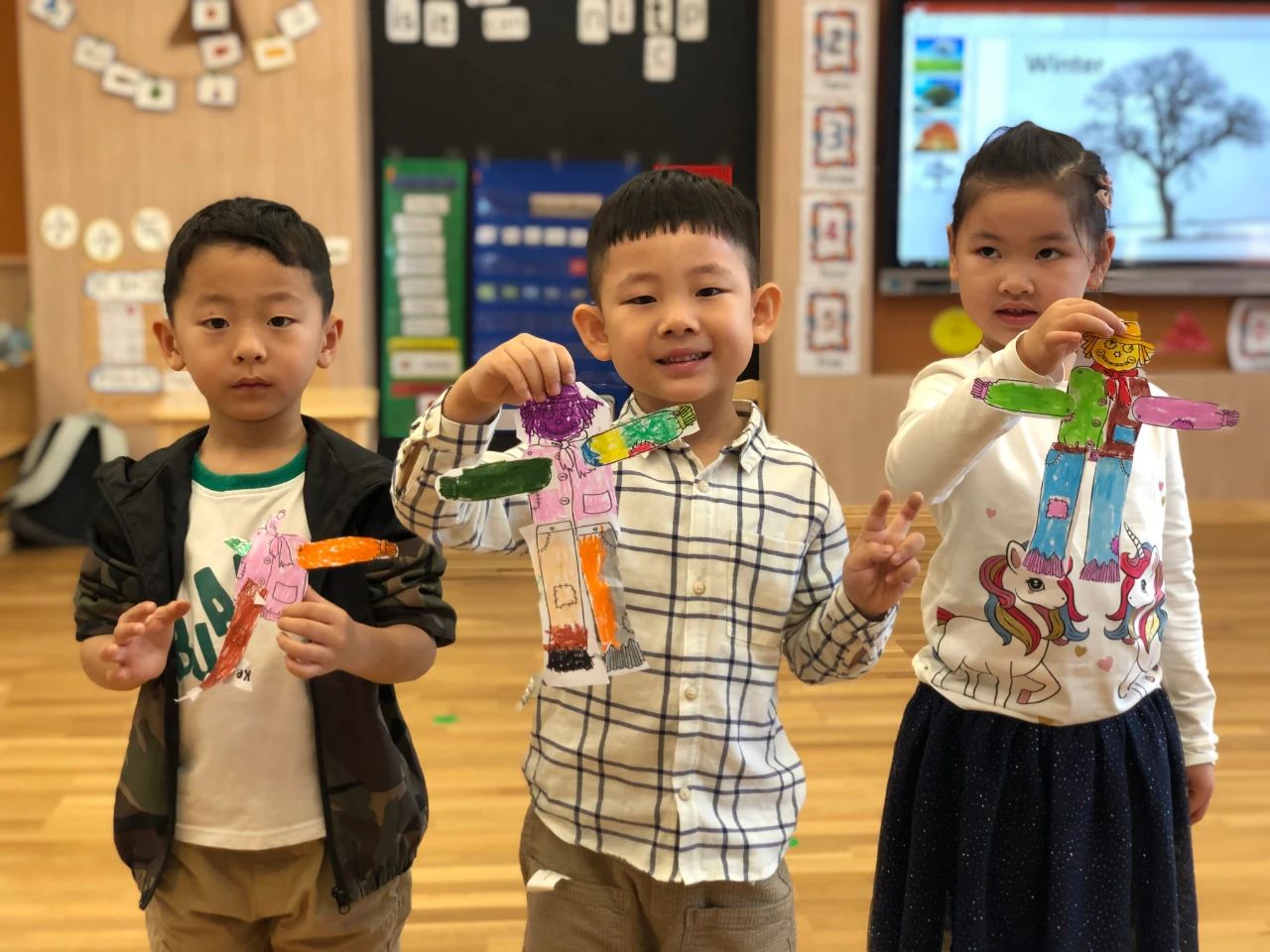
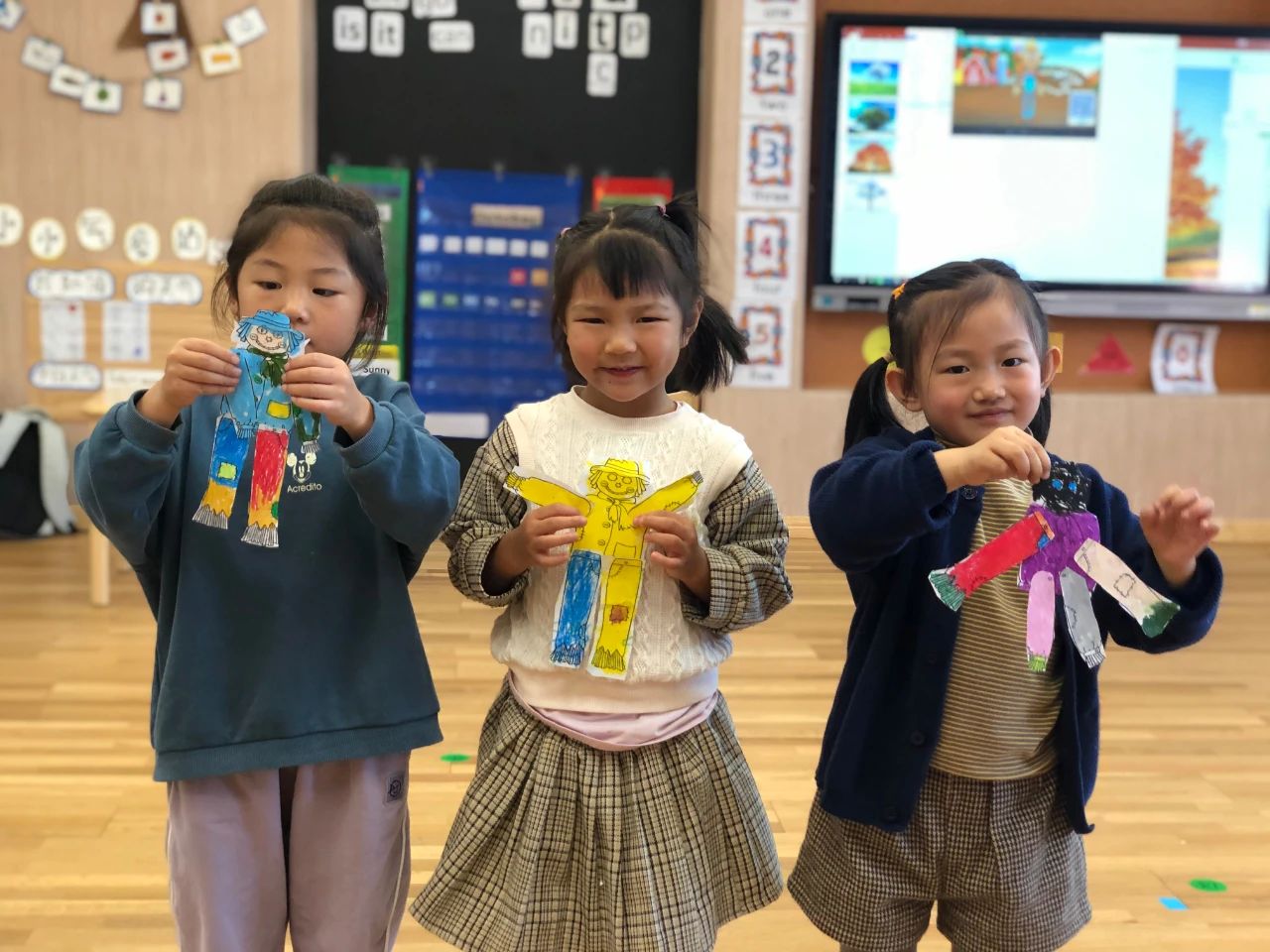
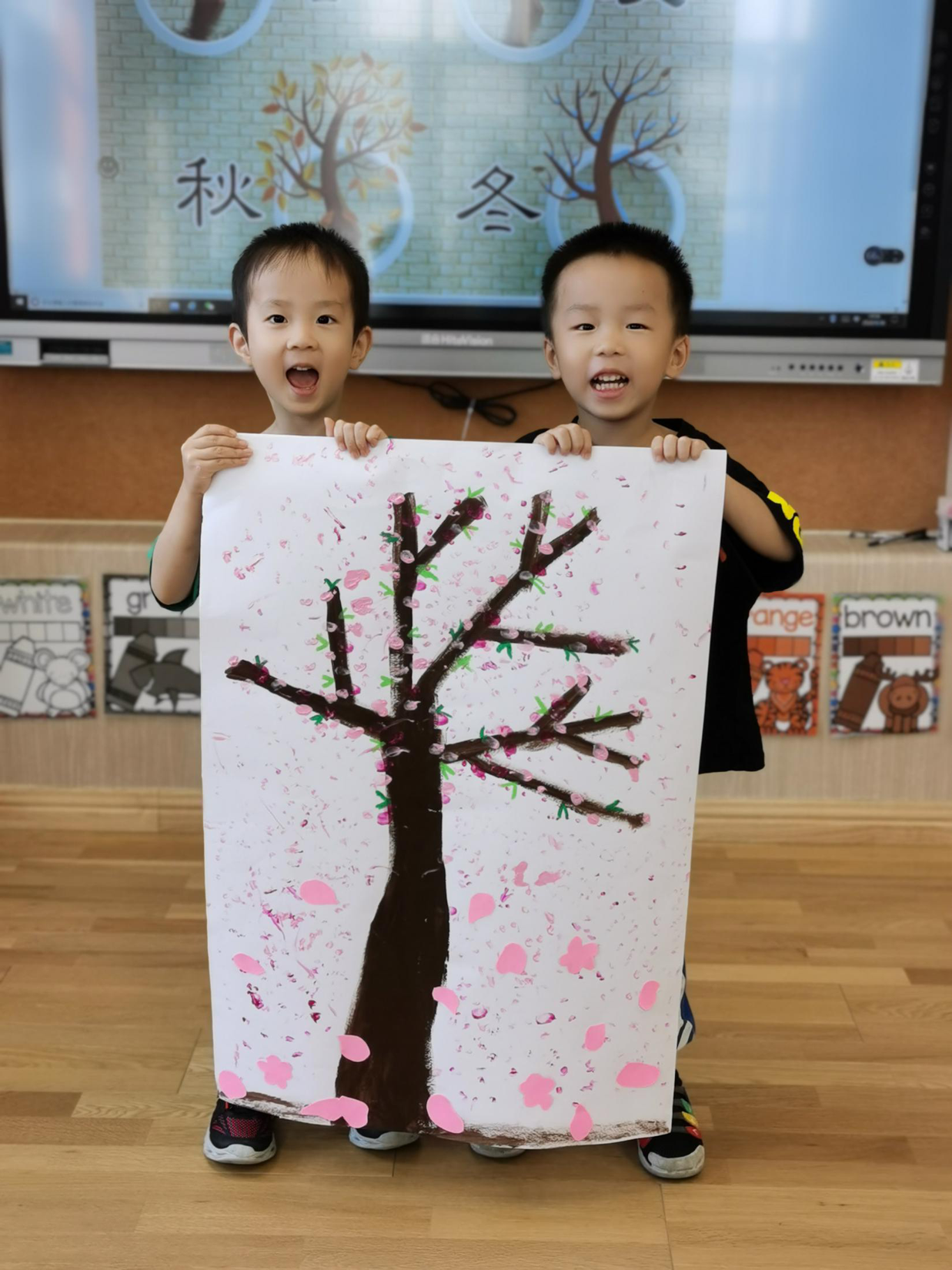
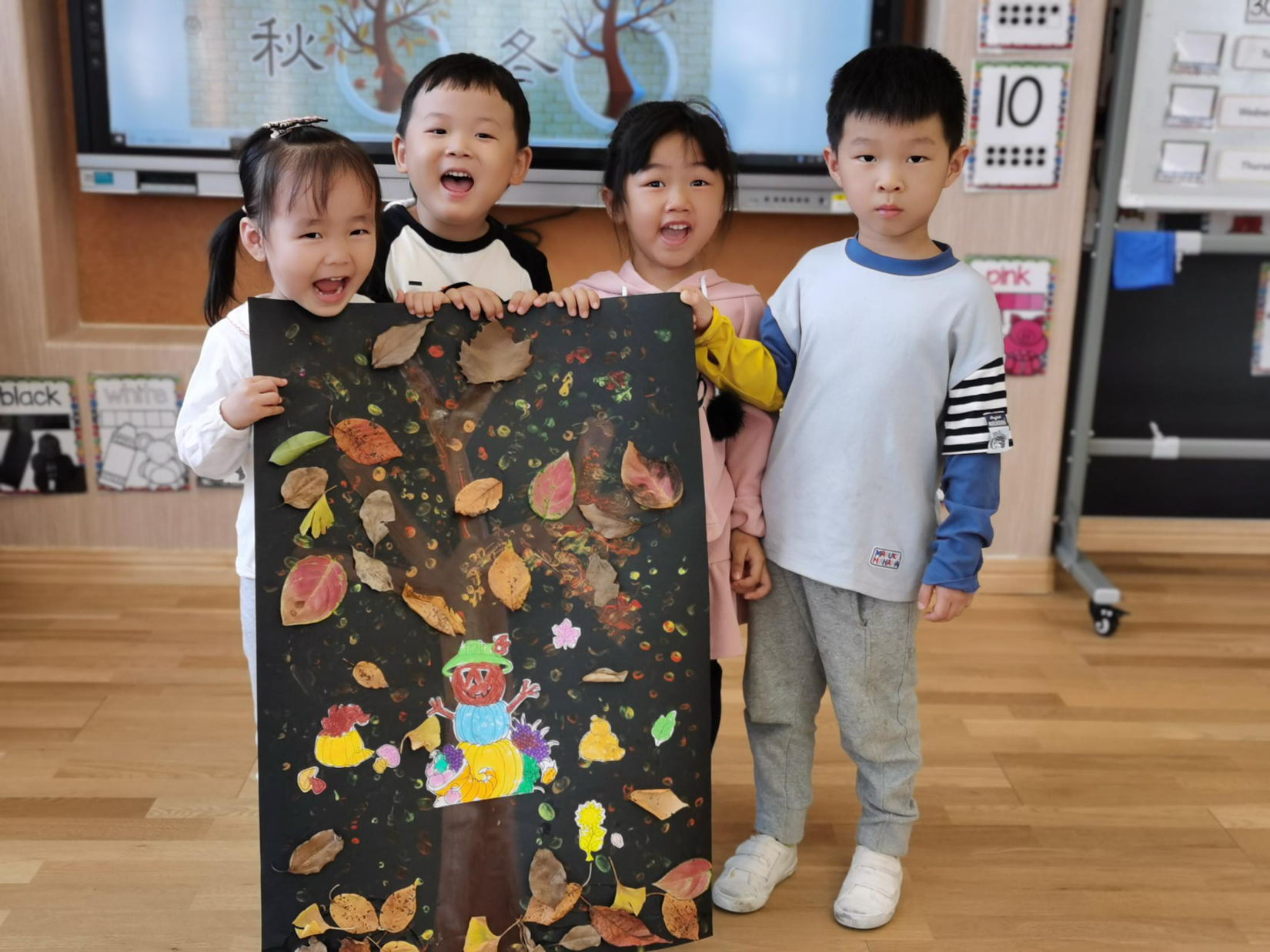
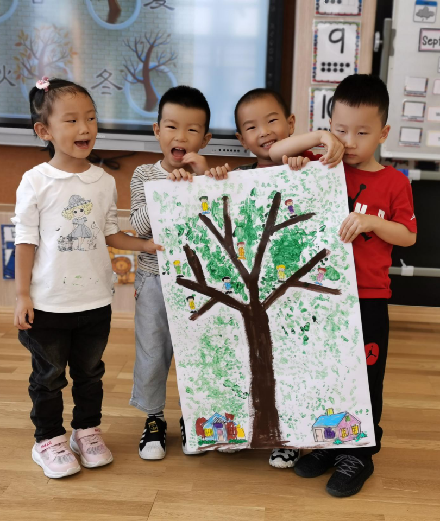
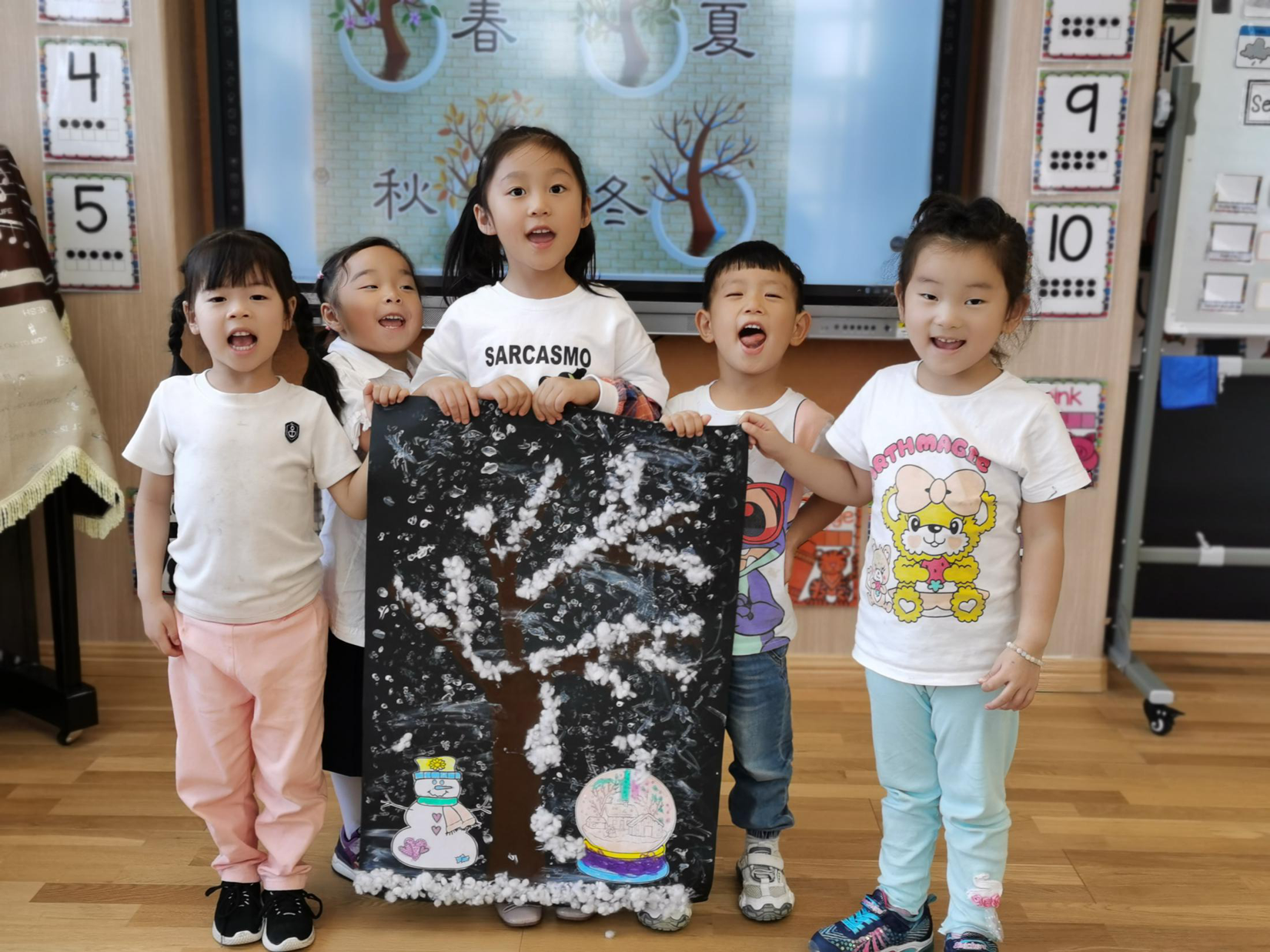
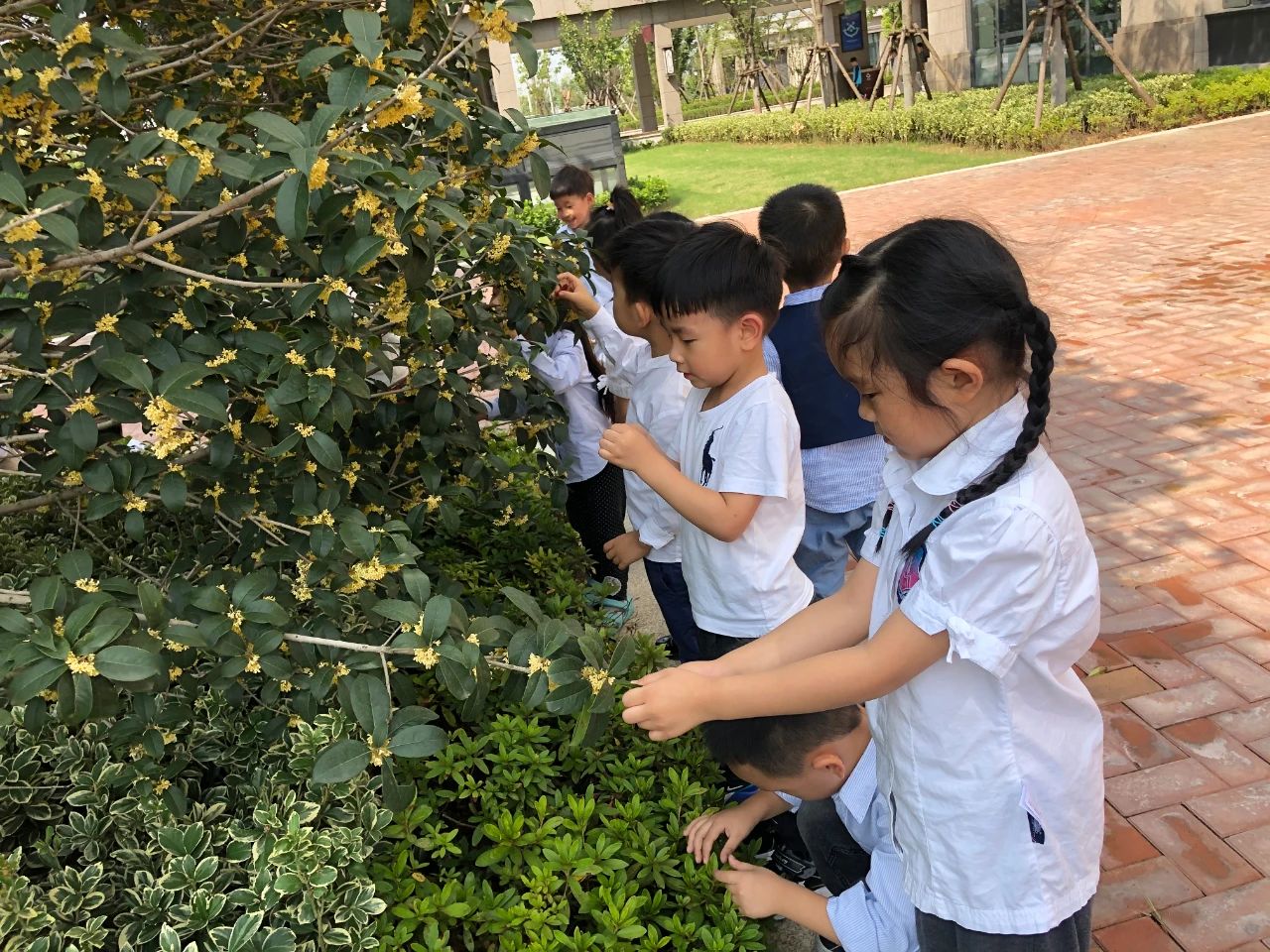
具备能动性的小小学习者,他们基于强烈的身份意识和自信,也考虑到别人的意见来主导自己的学习,并意识到他人的意见、价值和需要。在深入探究(Going further)的过程中,我们探索了四季中最常见的天气,走出校园感受秋天,分组完成了“四季树”;我们扎根于生活,了解了常见的极端天气,探索如何去抵御极端天气……
Our young learners have strong personalities, but they also respect each other and give value to other people’s opinion during the discussion about weather. In the Going Further process, we explored the most common weather in the four seasons, walked out of the campus to feel the autumn season, and made “The Four Seasons Tree” craft by groups; We also discussed about extreme weather conditions, how they from and how to protect ourselves during certain situations.
付出行动与做出反思是我们对自己学习结果的检验,大家都积极收集材料,在沟通与合作中完成了不同类型的房屋搭建,相信这些作品可以抵御不同的天气。我们努力转动着自己的小脑袋,画出了对“天气”的了解,反思着在不同天气下应该如何满足人们的需求,最后制作属于我们大家的“天气书”。
We collected materials and built different types of houses for our protection during different weather conditions. We used our thinking skills, created drawings on what we learned about weather and seasons. We made a reflection on how to meet people's needs in different weather conditions, and we made a book about weather for our final project.
学生在学习的过程能够充分发挥能动性:做出选择,发表意见,提出问题和表达疑惑阐述自己的理解,积极参与并做出贡献。在接下来的探究活动,这些小小学习者还会有什么出色的表现?会提出什么奇思妙想?我们共同期待……
Students were able to exert(show) their initiative during the learning process: making choices, expressing opinions, raising questions and expressing doubts, explaining their understanding, and actively participating in discussions. What do you think will our young learners learn in the next unit of inquiry? How will they perform and what questions will they ask? Let us discover their curious minds….We are looking forward to it!!!
撰文丨Sunny
翻译丨Max and Jessica
编排丨Estella